
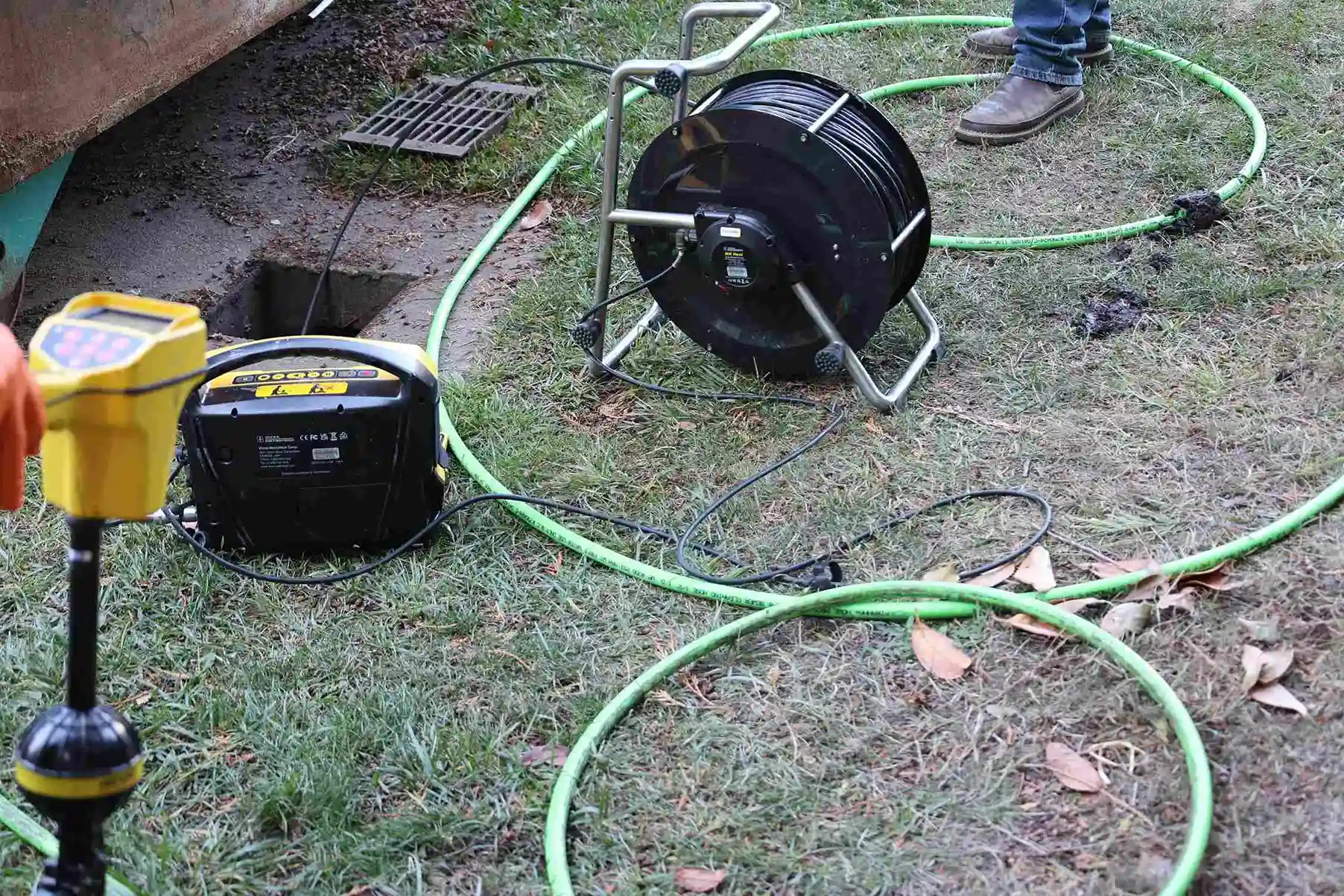
Professional sewer and drain solutions protect your Puyallup, WA property by catching underground problems early, preventing catastrophic backups, and extending the life of your plumbing system. The right maintenance approach depends on the age of your home, the condition of your sewer lateral, and the type of pipe materials your property uses. From routine camera inspections to targeted root removal and full pipe rehabilitation, professional services address specific threats that homeowners in the Puyallup area face daily, including aging municipal infrastructure and aggressive tree root intrusion.
Puyallup homeowners deal with a unique combination of aging infrastructure and environmental factors that make professional sewer and drain services not optional, but necessary. According to the City of Puyallup’s Utility Rate Study, many of the city’s existing sewer and stormwater pipes were installed prior to 1954 and have reached the end of their useful life. The city identified over 35 miles of sewer pipe built in 1954 or earlier that need replacement, and emergency repairs in recent years on critical lines along 9th Avenue SW and River Road demonstrate what happens when aging infrastructure fails without warning.
The City of Puyallup Sewer and Stormwater Collections Division manages approximately 190 miles of pipe, 6,500 manholes, and 10,000 lateral connections across 15,000 acres of drainage. When that interconnected system experiences blockages or failures in one area, it creates pressure on the entire network, including the private sewer laterals connected to individual homes.
Property owners in Puyallup need to understand that the portion of sewer line running from their home to the city main is their responsibility to maintain and repair. That lateral connection is where most homeowner sewer problems originate, and it is where professional drain services deliver the most protection.
When a sewer line backs up or overflows, the consequences go far beyond an unpleasant odor. The EPA’s Sanitary Sewer Overflow resources confirm that raw sewage contains bacteria, viruses, protozoa, and intestinal worms. Exposure through direct contact, inhalation, or contaminated water sources can cause diseases ranging from mild stomach cramps to life-threatening conditions like cholera, dysentery, and infectious hepatitis.
Property damage from sewer backups compounds the health risks. According to the EPA’s SSO FAQ page, when basements flood with sewage, the affected area must be thoroughly cleaned and disinfected. Rugs, curtains, flooring, wallboard panels, and upholstered furniture that come into contact with sewage usually must be replaced entirely. Mold growth often follows within 24 to 48 hours of a backup, creating secondary health hazards that require professional remediation.
The EPA also notes that communities without preventive maintenance programs in place pay the most for sewer rehabilitation over time. The same principle applies to individual property owners: neglecting your sewer lateral until it fails will always be more expensive than maintaining it proactively.
Understanding the range of professional services available helps property owners choose the right approach for their situation.
| Service Type | What It Addresses | How It Works | Best For |
|---|---|---|---|
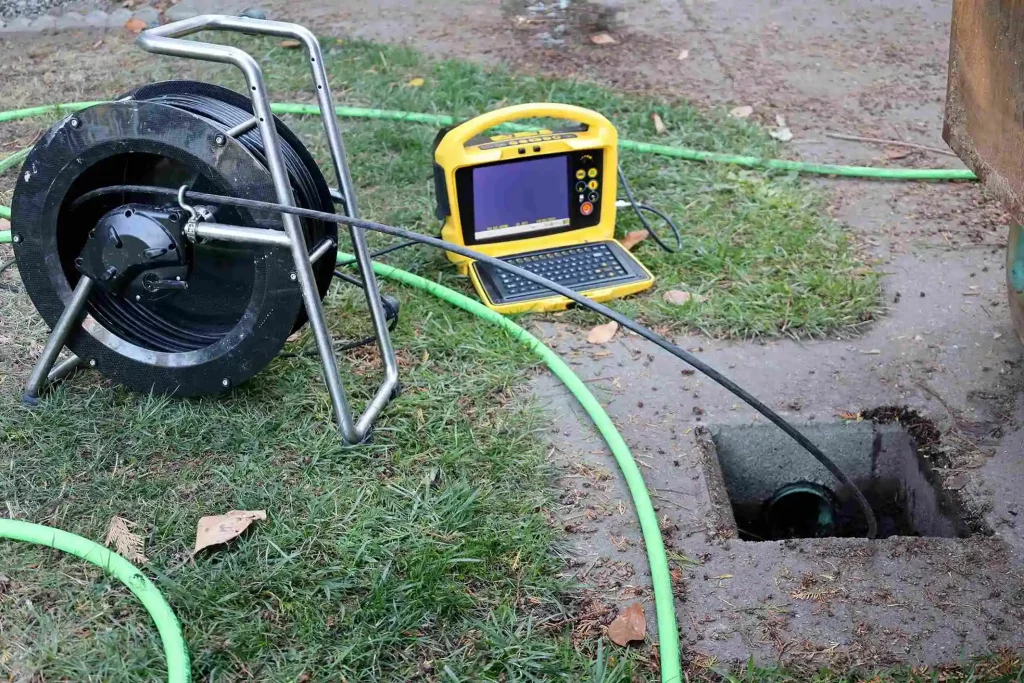
| Video Camera Inspection | Cracks, root intrusion, pipe collapse, offset joints | High-resolution camera fed through the sewer line provides real-time footage | All homeowners, especially before property purchase or after recurring clogs |
| Hydro Jetting | Grease buildup, debris accumulation, scale deposits | High-pressure water stream clears blockages and cleans pipe walls | Homes with frequent slow drains, grease buildup from kitchens |
| Root Cutting and Removal | Tree root intrusion through cracks and joints | Mechanical cutting tools sever roots inside the pipe | Properties with mature trees near sewer laterals |
| Trenchless Pipe Lining | Cracked, corroded, or deteriorating pipes | Epoxy resin liner is inserted and cured inside the existing pipe | Pipes with structural damage but intact alignment, avoids yard excavation |
| Backwater Valve Installation | Municipal sewer backup into basement or lowest drain | One-way valve allows sewage out but prevents backflow from city main | Homes in low-lying areas or near aging municipal sewer lines |
| Full Pipe Replacement | Collapsed, completely broken, or Orangeburg pipe | Old pipe is removed and replaced with modern materials | Severely damaged lines that cannot be rehabilitated with lining |
The Insurance Institute for Highway Safety’s affiliated organization, the Insurance Information Institute, identifies several primary causes of sewer backups that affect homeowners directly:
The difference between a preventive and reactive approach to sewer care is significant in terms of cost, disruption, and long-term outcomes.
| Factor | Preventive Maintenance Approach | Reactive Repair Approach |
|---|---|---|
| Timing | Scheduled inspections and cleanings on a regular cycle | Service only after a backup, clog, or failure occurs |
| Property Disruption | Minimal, most work done through existing access points | Often requires emergency excavation and yard restoration |
| Cost Pattern | Predictable, smaller periodic investments | Unpredictable, often 30-40% higher due to emergency conditions |
| Health Risk | Very low, problems caught before failure | High, exposure to raw sewage during backup events |
| Pipe Lifespan | Extended by years or decades through proper care | Shortened, as undetected damage worsens over time |
| Convenience | Scheduled at the homeowner’s convenience | Emergency calls, often at night or on weekends |
The City of Puyallup’s own data shows that emergency sewer infrastructure repairs cost 30 to 40 percent more than planned replacements. While that figure comes from municipal work, the same cost penalty applies to private property owners who wait for failure instead of addressing problems proactively.
Not every home faces the same level of risk. The following guidance helps determine the right level of professional service investment for different situations.
Homes built before 1980 in Puyallup commonly have clay, cast iron, or even Orangeburg pipe laterals. These materials degrade over time through corrosion, joint separation, and root intrusion. Annual or biannual video inspections combined with scheduled hydro jetting or root cutting provide the most protection for these properties.
Properties with large trees, especially species like willow, maple, or cedar located within 30 feet of the sewer lateral, should schedule annual root cutting and inspection. Roots are persistent and will regrow after cutting, making this an ongoing maintenance need rather than a one-time fix.
Homes in the valley floor or near the downtown core, where municipal sewer infrastructure predates 1954, face elevated backup risk during heavy rainfall. A backwater valve installation provides a physical barrier against municipal sewer surcharge flowing backward into the home.
A video sewer inspection should be part of every home purchase due diligence process in Puyallup. Identifying existing pipe damage, root intrusion, or improper connections before closing protects buyers from unexpected repair costs and gives them leverage in negotiations.
Choosing the right professional service provider makes a real difference in both the quality of work and the long-term protection of your property. Look for these indicators:
All Drain Solutions provides professional sewer and drain services to homeowners throughout Puyallup, WA. Our team uses advanced camera inspection technology, hydro jetting equipment, and trenchless repair methods to keep your sewer lateral functioning properly and your property protected from costly backups and structural damage. Whether you need a routine inspection, emergency root removal, or a complete pipe rehabilitation assessment, we are ready to help.
Request a Free Quote | [email protected] | (253) 200-0451
Schedule a Camera Inspection to see exactly what is happening inside your sewer line.
We recommend an inspection at least every one to two years for older homes or properties with mature trees nearby. Newer homes with modern PVC pipe can typically go two to three years between inspections.
The sewer lateral is the pipe connecting your home to the city’s main sewer line. Homeowners are responsible for maintaining and repairing this pipe, including the portion that extends into the public right of way.
Yes, roots enter through small cracks and joints, then expand over time, causing blockages, structural damage, and eventually complete pipe collapse if left untreated.
Standard policies often exclude sewer backup coverage, but most insurers offer it as an add-on endorsement. Check your policy or contact your insurance provider to confirm your coverage.
Snaking breaks through a specific clog using a mechanical cable, while hydro jetting uses high-pressure water to clear blockages and thoroughly clean the entire interior wall of the pipe.