
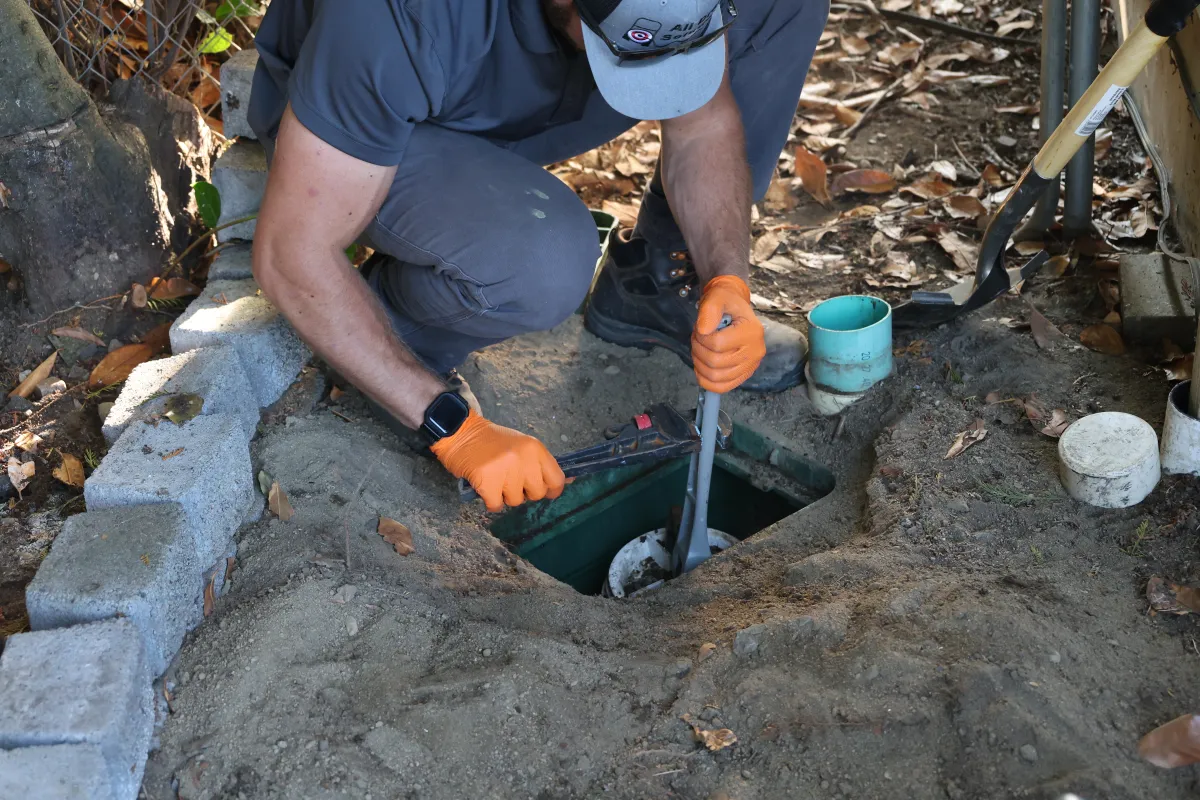
A sewer backup is one of the most destructive and hazardous plumbing emergencies a Tacoma, WA homeowner can face, and it almost never happens without advance warning. The signs are there long before wastewater rises through your floor drains or backs up into your bathtub. Learning to recognize these warning signs early gives you the chance to address the problem before raw sewage contaminates your home. For a broader understanding of common issues, maintenance, and solutions, see our complete sewer and drain services guide. Tacoma’s sewer infrastructure, with some components dating back more than a century, makes awareness especially important for local homeowners whose properties connect to these aging municipal lines.
Tacoma’s wastewater system is extensive. The City of Tacoma’s Environmental Services Department operates two treatment plants, 50 pump stations, and over 700 miles of sewer pipes serving more than 90,000 customers. Since 1995, the city has invested $4 million annually through its Inflow and Infiltration Program to replace or repair aging pipes that allow groundwater to seep into the system. Despite these ongoing investments, components of the original sewer infrastructure, first built in the 1880s, remain in service.
This matters because the nation’s wastewater infrastructure as a whole is in decline. According to the ASCE 2025 Infrastructure Report Card, wastewater systems receive a D+ grade, and the renewal and replacement rate for capital projects has dropped from 3% to just 2% over the past decade. The report also notes that the average number of collection system failures for combined water utilities increased from 2 to 3.3 per 100 miles of pipe, a direct indicator of aging infrastructure under strain. For sewer and drain services in Tacoma, WA, this national trend hits close to home. Older neighborhoods with mature trees and aging clay or concrete sewer laterals are the most susceptible to blockages that lead to backups.
Catching a sewer backup before it happens requires paying attention to changes in how your plumbing performs day to day. Most warning signs develop gradually over days or weeks. Here are the seven indicators that demand immediate attention.
A single slow drain usually points to a localized clog. When multiple fixtures throughout your home drain slowly at the same time, particularly on the lowest level, the blockage is likely in your main sewer line rather than an individual branch. Toilets, showers, sinks, and floor drains all sharing the same sluggish behavior is the clearest early signal of a main line problem.
Air trapped in your plumbing system needs somewhere to go when wastewater flows through partially blocked pipes. That air escapes through the nearest available opening, which is usually a drain or toilet. Gurgling, bubbling, or bubbling-over sounds when you flush a toilet or run a washing machine mean air is being forced backward through your drain system, a strong indicator of a partial blockage downstream.
Sewer gas has a distinct, sulfurous smell that you will notice immediately. If you catch persistent sewage odors coming from floor drains, basement plumbing fixtures, or even from your yard near where the sewer lateral runs, it means there is a breach or blockage preventing normal airflow through your plumbing system. In some cases, odors outside near the lateral line can signal a cracked or collapsed pipe underground.
Floor drains, especially in basements and utility rooms, sit at the lowest point of your drainage system. When a sewer backup develops, the first place wastewater typically appears is at these low-lying drains. Even slight dampness or puddling around a floor drain that has no obvious water source should be treated as a warning sign, not ignored as minor seepage.
Toilets that backup repeatedly despite plunging or routine cleaning have a deeper issue. If waste returns after flushing, or the bowl fills unusually high before draining, the main line is partially obstructed and working at reduced capacity. Each backup event weakens seals and can force contaminated water into areas of your home that are difficult to fully sanitize.
If a section of your yard stays consistently wet or unusually green compared to surrounding areas, a leaking sewer lateral could be the cause. Wastewater acts as fertilizer, so grass directly above a cracked pipe often grows thicker and more vibrant. Standing water or soft, muddy ground along the path of your sewer line deserves investigation before it develops into a full collapse.
A cracked sewer pipe can allow clean water from the surrounding soil to infiltrate the line, especially after rain. This extra volume flowing through your lateral can overwhelm the line and contribute to backups. If you hear running water in your pipes when no fixtures are in use and notice unexplained increases in your water bill, the source could be a breach in your underground plumbing.
| Warning Sign | Severity Level | Typical Cause | Recommended Action |
|---|---|---|---|
| Slow drains in one fixture | Low | Local clog | Plunging or snaking |
| Multiple slow drains | Medium-High | Main line blockage | Professional inspection |
| Gurgling sounds | Medium | Partial blockage | Camera inspection |
| Foul odors indoors | Medium-High | Pipe breach or trap issue | Sewer line assessment |
| Water at floor drain | High | Main backup forming | Emergency service call |
| Soggy yard patches | Medium | Cracked lateral pipe | Camera and locate service |
| Frequent toilet backup | High | Recurring obstruction | Main line cleaning or repair |
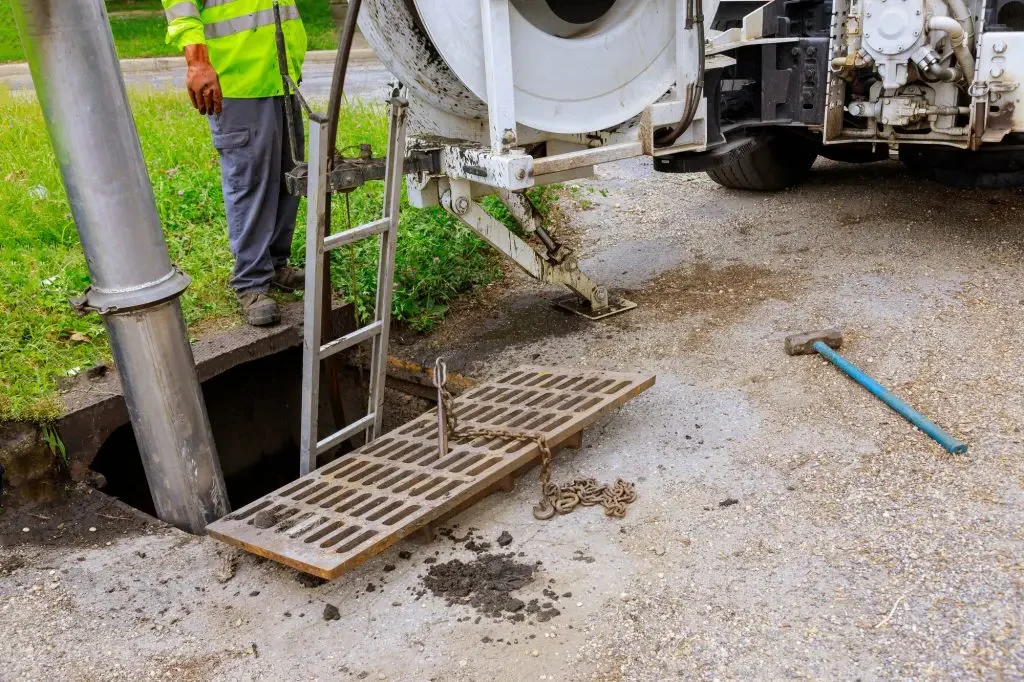
Understanding the root causes helps you prevent problems before they start. According to the Insurance Information Institute, backed up sewers are increasing at a rate of roughly 3% annually, driven by aging infrastructure and growing demand on systems that were not designed for current populations.
Tree roots are attracted to the moisture and nutrients inside sewer pipes. In older Tacoma neighborhoods with mature landscaping, roots enter through small cracks, joints, or connections in clay and concrete pipes. Once inside, they grow larger, trapping debris and gradually restricting flow until the line is fully blocked. The City of Tacoma’s wastewater management program specifically targets this problem through ongoing pipe replacement efforts.
Cooking fats poured down the drain may be hot and liquid when they leave your sink, but they cool and solidify inside your pipes. Layer by layer, grease builds up on pipe walls, narrowing the passage until wastewater can no longer flow through. As the City of Nashua’s public works guidance explains, FOG is one of the biggest contributors to private property sewer backups, and the solution is simple: collect cooking fats in a container and dispose of them in the trash, never down the drain.
Products marketed as “flushable” or “disposable” do not break down the way toilet paper does. wipes, paper towels, feminine hygiene products, and similar items accumulate in pipes and catch on roots, grease buildup, or pipe irregularities. The only items that should ever be flushed are human waste and toilet paper. Everything else belongs in the trash.
Many Tacoma homes built before the 1980s have sewer laterals made of clay, concrete, or asbestos-cement materials that degrade over time. Shifting soil, ground settling, and temperature changes can crack or collapse these older pipes. The City of Nashua’s engineering department notes that building sewers are often as old as the buildings they serve, and knowing the age and material of your lateral helps determine whether repair or full replacement is the right approach.
A sewer backup is not just a plumbing problem, it is a public health hazard. A University of Maryland study of homes with recent sewage backups found harmful bacteria in 34 of 40 homes analyzed. Researchers detected E. coli at concentrations 10 times higher than federal swimming water limits and found antibiotic-resistant bacteria in multiple homes. Pathogens persisted in homes even months after the visible sewage had been cleaned. Residents reported nausea, shortness of breath, fatigue, and anxiety at elevated rates. This research confirms what public health professionals have long warned: raw sewage exposure carries real, measurable health risks that extend well beyond the initial cleanup.
If you notice any of the warning signs described above, act quickly rather than waiting for a full backup. Call a licensed plumber in Tacoma, WA who specializes in sewer line services to perform a camera inspection. Video inspection reveals the exact location, cause, and severity of the blockage, allowing for targeted repair rather than guesswork. If roots are the problem, professional root cutting and hydro-jetting can restore flow and buy time before more permanent repairs are needed. If the pipe itself is cracked, collapsed, or severely deteriorated, trenchless pipe lining or full replacement may be the most effective long-term solution.
In the meantime, minimize water usage in your home to reduce pressure on the compromised line. Avoid running dishwashers, washing machines, or multiple bathrooms simultaneously until the issue has been diagnosed. If water is actively seeping through floor drains, contact your plumber immediately and avoid contact with the wastewater, as it may contain harmful pathogens.
Choosing the right sewer company makes a meaningful difference in outcomes and cost. Look for a provider who performs a thorough camera inspection before recommending any repair or cleaning. A strong service provider will walk you through the video findings, explain the exact cause and location of the problem, and present options rather than pushing a single solution. Transparent pricing with written estimates, proper licensing and insurance, and a track record of service in the Tacoma area are all indicators of a reliable choice. Avoid any provider who diagnoses a major problem without first inspecting the line, or who cannot clearly explain what they found and why their recommended approach is the best fit for your situation.
If you have noticed any of the warning signs covered in this guide, do not wait for a full sewer backup to take action. All Drain Solutions provides professional sewer line inspections, drain cleaning, and repair services for homeowners throughout Tacoma. Our team uses camera inspection technology to pinpoint problems accurately and recommend the most effective solution for your situation. Call us at (253) 200-0451 or email [email protected] to request a free quote or schedule an inspection today. The sooner we identify the problem, the sooner we can protect your home from the damage, cost, and health risks of a sewer backup.
Request a Free Quote | Schedule an Inspection
If only one fixture is slow, it is likely a local clog. If multiple drains on the lowest level of your home are slow at the same time, especially toilets and floor drains, the blockage is probably in your main sewer line and requires professional inspection.
Most standard policies do not automatically include sewer backup coverage, but it can typically be added as an endorsement. Check your policy and ask your insurance provider about adding this protection if you live in an area with older infrastructure.
If your home is more than 30 years old or has large trees near the sewer line, an inspection every 2 to 3 years is a reasonable starting point. If you have experienced previous blockages or root problems, annual inspections help catch issues before they escalate.
Yes. Professional root cutting and hydro-jetting can clear roots from your line and restore full flow. However, roots will return unless the entry points are sealed. Pipe lining or spot repairs can prevent regrowth in the affected areas.
Stop using all water fixtures immediately, avoid contact with the wastewater, call a licensed sewer professional right away, and contact your city’s public works department if you suspect the blockage is in the municipal main rather than your private lateral.