
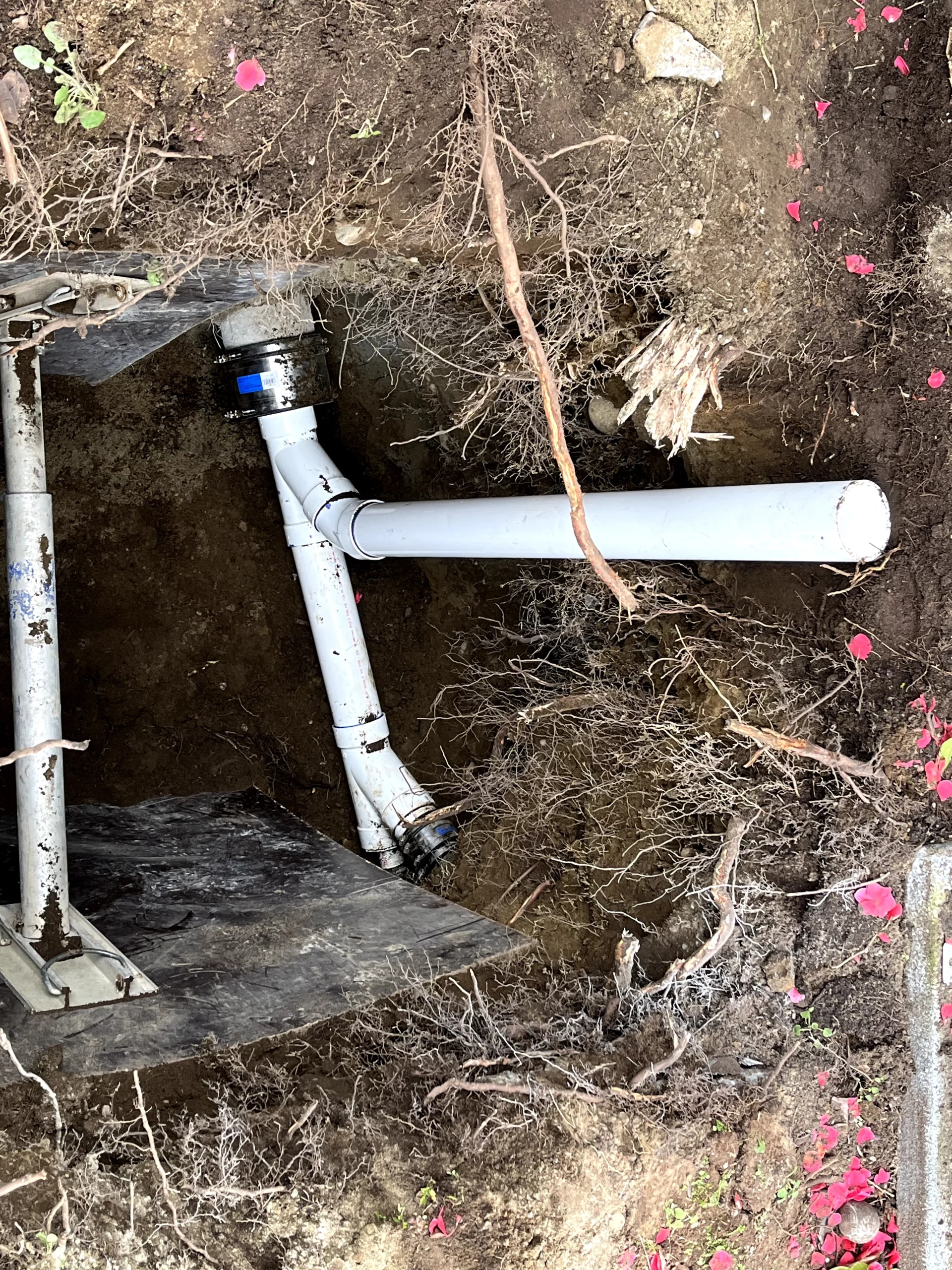
A drain cleanout is a physical plumbing fitting, an access point built into your drain-waste-vent (DWV) system with a removable cap that allows tools to enter the pipes directly. Drain cleaning is the service or process of clearing blockages from those pipes using mechanical tools like plumber’s snakes, sewer jetters, or chemical solutions. One is a part of your plumbing infrastructure. The other is the action performed on that infrastructure. Understanding the difference between these two terms matters because choosing the right approach for your situation, whether accessing a cleanout to service a line or scheduling a professional drain cleaning, saves time, prevents property damage, and keeps your entire drainage system functioning properly.
A drain cleanout is a fitting installed within your plumbing system that provides a sealed, openable access point to the interior of your drain pipes. According to Wikipedia’s piping and plumbing fitting reference, clean-outs are fittings with removable elements that allow access to drains without removing plumbing fixtures. They exist so that a plumber’s snake or drain auger can be inserted directly into the pipe to clear a blockage.
Cleanouts typically feature screw-on caps or screw-in plugs and are placed at strategic locations throughout a drainage system. In exterior applications, they are sometimes called “rodding eyes” because of the eye-shaped cover plates commonly used. Plumbing codes, including those developed by the International Association of Plumbing and Mechanical Officials (IAPMO), the organization behind the Uniform Plumbing Code, mandate minimum cleanout placement requirements.
Per plumbing standards, cleanouts should be installed at these key positions:
These placements ensure that no section of pipe is beyond the reach of a cleanout auger, which has a limited cable length. Without properly spaced cleanouts, clearing a deep blockage may require tearing out walls or excavating yard areas to reach the pipe.
Drain cleaning is the active process of removing obstructions from plumbing pipes and restoring proper flow. As described in Wikipedia’s drain cleaner reference, drain cleaning encompasses a range of methods including chemical cleaners, enzymatic solutions, handheld drain augers, electric snakes, air-burst cleaners, and sewer jetters. The method chosen depends on the location and severity of the clog.
| Method | How It Works | Best For |
|---|---|---|
| Plunger | Uses air pressure to dislodge soft clogs near the fixture | Minor sink, tub, and toilet clogs |
| Handheld drain auger | Flexible cable rotated by hand crank to break up or retrieve clogs within 25 feet of the drain opening | Hair, soap, and grease in small-diameter pipes |
| Closet auger | Short, hook-shaped cable designed specifically for toilets | Toilet clogs without scratching porcelain |
| Electric drain cleaner | Motorized cable that can reach 40 to 80 meters, cuts through tree roots and solid obstructions | Main sewer line blockages, recurring clogs |
| Sewer jetter | High-pressure water (1,000 to 5,000 psi) blasts debris and cleans pipe walls | Grease buildup, root intrusion, sand, and sludge |
| Chemical drain cleaner | Corrosive acids or alkalis dissolve organic material like hair, fats, and proteins | Soft clogs near drain openings |
| Enzymatic cleaner | Natural enzymes break down organic matter into water-soluble molecules | Preventive maintenance, minor organic clogs |
Each method has distinct advantages and limitations. Chemical cleaners, for instance, are readily available at retail stores but lack effectiveness for clogs far from the drain opening and can damage pipes. Chemical drain cleaners containing strong acids or alkalis can cause severe burns and even explosive reactions when mixed with other chemicals, making professional mechanical cleaning the safer long-term choice for serious blockages.
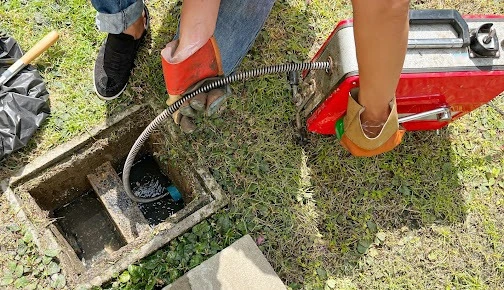
The relationship between a drain cleanout and drain cleaning is straightforward: the cleanout is the door, and drain cleaning is what happens once you open it. When a professional technician performs drain cleaning on a main sewer line, they typically access the system through the exterior cleanout rather than pulling toilets or dismantling fixtures indoors.
Opening a cleanout cap and inserting a plumber’s snake or sewer jetter through it provides the most direct path to the obstruction. This approach is faster, less disruptive, and more thorough than working through individual fixture drains, which may involve tight bends and limited cable reach.
For property owners and contractors, knowing the location of your cleanouts before a problem occurs makes emergency response faster and reduces service time. If a cleanout is buried, concealed, or was never installed, the drain cleaning process becomes more complicated and may require camera inspection, excavation, or even the installation of a new cleanout fitting.
| Scenario | Property Type | Recommended Approach | Why |
|---|---|---|---|
| Slow kitchen sink drainage | Single-family home | Handheld auger through P-trap or cleanout | Clog is localized, likely grease or food debris near the fixture |
| Recurring backups affecting multiple fixtures | Two-story office building | Camera inspection through main cleanout, followed by electric snake or jetter | Multi-fixture backup indicates main line blockage, likely roots or scale |
| Sewer gas odor near floor drain | Commercial retail space | Check and clear nearby cleanout, inspect trap primer | DWV system pressure issue or dry trap allowing gas entry |
| Tree root intrusion in lateral line | 1970s residential property | Exterior cleanout access with sewer jetter and root-cutting nozzle | Roots require high-pressure cutting, best accessed through exterior cleanout |
| New construction final inspection | Multifamily housing complex | Verify cleanout placement at all code-required locations | Code compliance requires documented cleanout access at specified intervals |
Several variables determine whether you need a simple cleanout access, a basic drain cleaning, or a more involved service:
Whether you need a cleanout installed to meet plumbing code requirements or professional drain cleaning to restore flow through a blocked main line, our team at All Drain Solutions has the equipment and experience to handle it. We work with residential and commercial properties throughout the area, diagnosing problems quickly and recommending the most efficient solution. Contact us today to request a free quote or schedule a drain inspection.
Request a Free Quote | Schedule a Drain Inspection
Call us at (253) 200-0451 or email [email protected]. We respond fast because drainage problems do not wait.
No. A drain cleanout is a physical plumbing fitting with a removable cap that provides access to your pipes. Drain cleaning is the process of removing blockages from those pipes.
Yes, but it is more difficult and invasive. Without a cleanout, technicians may need to pull toilets, remove sink traps, or use roof vents to access the drain line.
It depends on usage, but high-volume commercial properties, especially restaurants, should schedule preventive drain cleaning at regular intervals based on grease load and traffic patterns.
Drain cleaning becomes harder and more expensive. Installing cleanouts at code-required locations is often recommended to improve future access and reduce service costs.
Minor clogs near the cleanout can sometimes be cleared with a hand auger, but main line blockages, root intrusion, and recurring issues should be handled by a professional with the right equipment.