
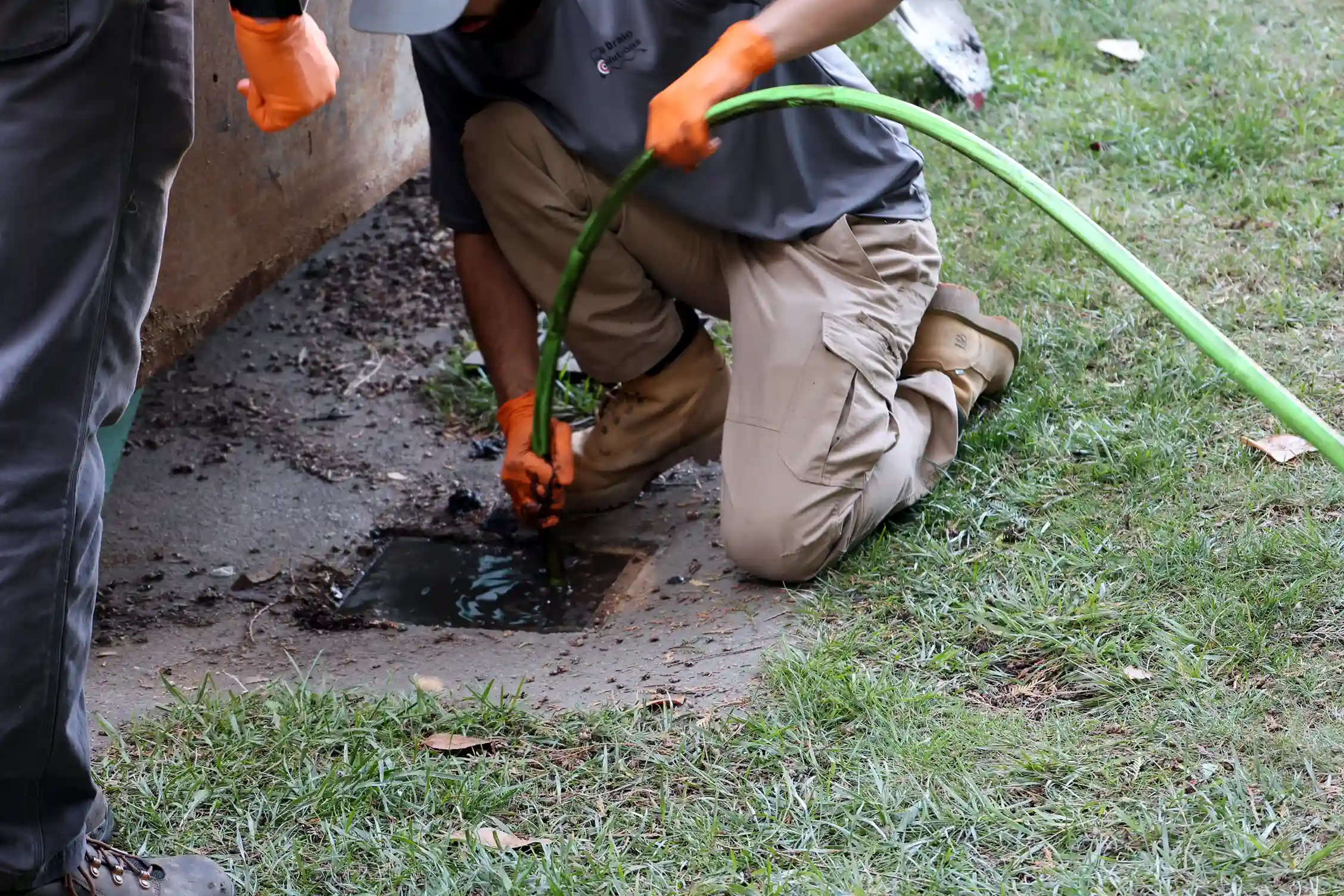
Regular drain cleaning is one of the most effective ways to protect your plumbing system from catastrophic failures and surprise repair bills. Most homeowners and property managers ignore their drains until water stops flowing, but that reactive approach allows small buildup to become structural damage. By scheduling consistent drain cleaning, you address obstructions early, reduce pressure on pipe walls, and extend the working life of your entire drainage system. The right maintenance strategy depends on your property age, pipe material, usage patterns, and whether you are dealing with a single-family home, a commercial building, or an older structure with aging infrastructure.
Your drain-waste-vent (DWV) system relies on gravity flow and neutral air pressure to move wastewater out of your building. According to the Wikipedia article on drain-waste-vent systems, negative pressure in pipes can slow drainage and induce clogs, while positive pressure can force contaminated water back through fixtures. Both scenarios become far more likely when drains are partially blocked.
Every day, your drains handle a mix of grease, soap scum, hair, food particles, and in many cases, items that should never go down a drain. The Wikipedia article on drain plumbing identifies wet wipes, excessive toilet paper, and cooking fats as the most common causes of blocked drains in kitchens and bathrooms. These materials do not dissolve. They layer onto pipe walls, gradually reducing the effective diameter of the pipe and increasing the pressure your system operates under.
As blockages build, water drains more slowly. That slow-moving water gives minerals more time to deposit on pipe walls, compounding the narrowing effect. In older homes with galvanized iron pipes, this is especially dangerous because the protective zinc coating corrodes over time, exposing bare steel to rust and further sediment buildup.
The progression from a slow drain to a major plumbing failure follows a predictable pattern:
Stage 1: Slow drainage. Partial blockages in the trap or near the drain opening restrict flow. Most people ignore this stage.
Stage 2: Recurring clogs. Blockages form more frequently as pipe diameter continues to shrink. Chemical drain cleaners or plungers provide temporary relief.
Stage 3: Pressure buildup. Wastewater sits in pipes longer than designed, increasing hydrostatic pressure against joints, connections, and weakened pipe walls.
Stage 4: Structural failure. Pressurized water forces apart pipe joints, cracks aging pipes, or triggers sewage backups into living spaces.
At stage 4, you are no longer dealing with a clog. You are dealing with water damage, potential mold remediation, and pipe replacement, none of which are cheap. The ASCE 2025 Infrastructure Report Card notes that aging infrastructure is a leading contributor to water loss and pipe failure, with approximately 20% of installed water mains having exceeded their useful lives. While that data covers municipal lines, the same principle applies to residential and commercial building drains.
Choosing the right drain cleaning methods matter. Some approaches solve the immediate problem while creating bigger ones down the line. The Wikipedia article on drain cleaners provides a detailed breakdown of each method:
| Cleaning Method | How It Works | Best For | Risk to Pipes |
|---|---|---|---|
| Chemical drain openers | Corrosive acids or alkalis dissolve organic blockages | Minor clogs near the drain opening | High with repeated use; can accelerate corrosion in older pipes |
| Enzyme drain cleaners | Natural enzymes break down grease, hair, and food into water-soluble molecules | Routine maintenance and minor buildup | Very low; environmentally friendly |
| Handheld drain auger | Flexible cable rotates through the pipe to physically grab or push through blockages | Single-fixture clogs within 25 feet of the opening | Low, but can scratch ceramic fixtures |
| Hydro-mechanical cleaning | High-pressure water dislodges and flushes obstructions | Clogs containing sand, sediment, or compacted grease | Low; uses only tap water |
| Electric drain cleaner (sewer snake) | Motor-driven cable cuts through solid obstructions including tree roots | Deep blockages in main sewer lines | Low when operated correctly |
| Sewer jetter | High-pressure water (1,000 to 5,000 psi) blasts debris and cleans pipe walls | Main sewer line maintenance and root intrusion | Low; cleans residue from pipe walls |
The table above shows a clear pattern: mechanical and hydro-mechanical methods are safer for your pipes than chemical solutions. Chemical drain cleaners may offer convenience, but their corrosive nature means every use trades long-term pipe health for short-term flow.
The American Society of Civil Engineers reports that water utilities following industry guidelines aim for a 65% scheduled maintenance to 35% reactive repair ratio. That same principle applies to building-level plumbing. When you clean drains on a schedule, you catch problems when they are small, accessible, and inexpensive to resolve.
Consider what proactive maintenance actually prevents:
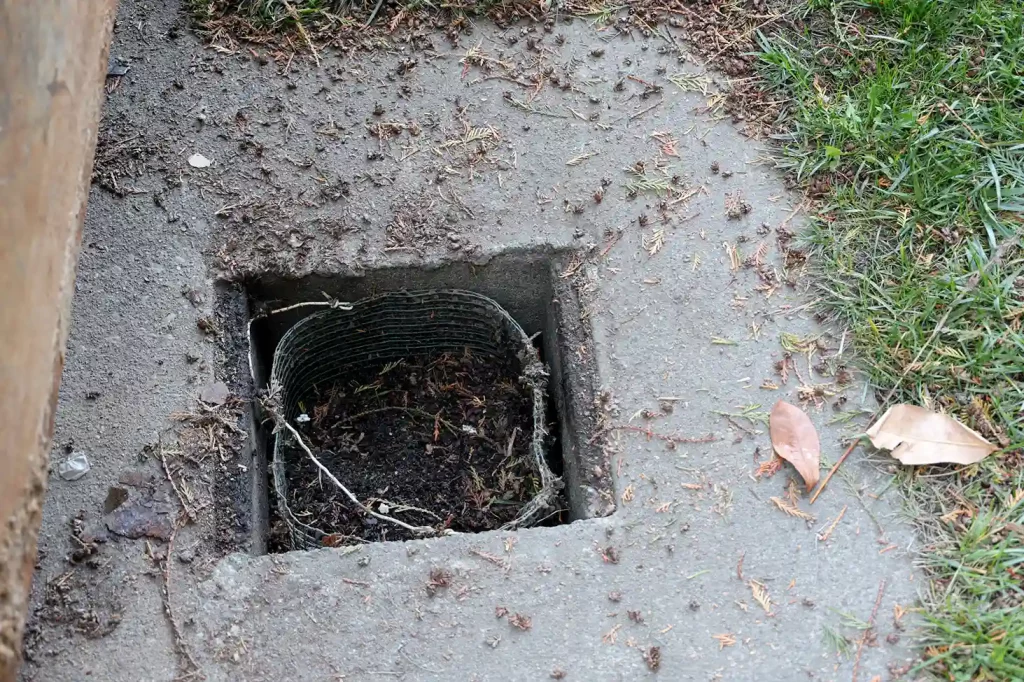
Not every property needs the same level of attention. The right schedule depends on usage volume, pipe age, and risk factors.
| Property Type | Recommended Cleaning Frequency | Key Risk Factors | Suggested Method |
|---|---|---|---|
| Single-family home (modern, PVC pipes) | Every 12 to 18 months | Hair, soap, food waste | Enzyme maintenance plus annual professional inspection |
| Single-family home (pre-1970, galvanized or cast iron) | Every 6 to 12 months | Corrosion, mineral deposits, rust buildup | Professional hydro-jetting or mechanical cleaning |
| Multi-family building (4+ units) | Every 6 months | High usage volume, grease from multiple kitchens | Sewer jetting for main lines, enzyme treatment for branch drains |
| Commercial kitchen or restaurant | Every 3 to 6 months | Heavy grease loading, food solids | Grease trap maintenance plus high-pressure sewer jetting |
| Older commercial building (pre-1980) | Every 6 months | Aging infrastructure, mixed pipe materials, joint deterioration | Professional camera inspection combined with mechanical cleaning |
Waiting for a complete blockage before calling for help is the most expensive approach. Watch for these warning signs and act early:
Professional drain services handle the heavy lifting, but what you do between appointments determines how quickly buildup returns. A few consistent habits make a significant difference:
Choosing a professional drain cleaning provider matters as much as the maintenance schedule itself. Look for these indicators:
Keeping your drains clean and flowing properly is the single most effective step you can take to avoid expensive plumbing emergencies. Our team at All Drain Solutions provides professional drain cleaning, camera inspections, and scheduled maintenance for homes and businesses throughout the area. Whether you are dealing with a recurring clog, slow drainage across multiple fixtures, or want to set up a preventative maintenance plan, we have the equipment and experience to handle it. Reach out to us at [email protected] or call (253) 200-0451 to request a free estimate or schedule a drain inspection today.
Request a Free Quote | Schedule a Drain Inspection
For most homes with modern PVC piping, annual professional cleaning is sufficient. Older homes with galvanized or cast iron pipes benefit from cleaning every six months due to higher corrosion and buildup risk.
Chemical drain cleaners contain corrosive acids or alkalis that can accelerate pipe deterioration, especially in older galvanized iron pipes. Mechanical or enzyme-based cleaning methods are safer for aging plumbing systems.
No cleaning method prevents roots from entering through existing cracks or joints, but regular hydro-jetting can clear root masses before they cause complete blockages, reducing the chance of pipe rupture.
Snaking uses a rotating cable to physically break through or retrieve a blockage. Hydro-jetting uses high-pressure water to clear obstructions and clean the interior walls of the pipe, removing buildup that snaking leaves behind.
When more than one fixture clogs simultaneously, the blockage is typically in the main sewer line rather than individual branch drains. This requires professional equipment such as an electric drain cleaner or sewer jetter to access and clear.