
Unnoticed water leaks develop from a combination of aging plumbing materials, shifting foundations, high water pressure, and environmental conditions that mask warning signs long before visible damage appears. In Seattle, the problem is amplified by a climate that delivers roughly 150 days of precipitation each year and an aging municipal water system with over 1,600 miles of distribution mains that require ongoing rehabilitation and cathodic protection to fight corrosion. Early water leak detection requires professional tools like acoustic sensors, thermal imaging, and moisture meters, combined with systematic inspection methods that go far beyond what a homeowner can spot on their own. The right approach depends on whether the suspected leak is behind walls, under slabs, or in underground service lines.
Most homeowners assume a leak will announce itself with a puddle, a stain, or a spike in the water bill. In reality, many leaks operate silently behind walls, beneath concrete slabs, or underground for months or even years before producing visible evidence. Several factors contribute to this invisibility.
Many Seattle, WA neighborhoods have homes built between the 1940s and 1970s with galvanized steel or early copper supply lines. These materials corrode internally over decades, creating pinhole leaks that release water slowly into wall cavities or soil. The EPA reports that the average family can waste 180 gallons per week from household leaks. Because pinhole leaks release water gradually, the surrounding materials absorb it before any dripping or pooling occurs.
Excessive water pressure stresses pipe joints, valve seals, and fixture connections. Pressure above 80 psi forces water against weak points in the plumbing system, accelerating wear on washers, gaskets, and soldered joints. Homeowners rarely notice pressure problems because the water still flows normally from every tap. The damage accumulates quietly inside walls and under floors.
The EPA’s Fix a Leak Week resources identify worn toilet flappers as one of the most common leak sources in any home. A failing rubber flapper allows water to flow continuously from the tank into the bowl, often without any audible sound. This type of leak alone can waste thousands of gallons per year. Dripping faucets and leaking shower valves follow close behind, with a single faucet dripping once per second wasting over 3,000 gallons annually.
Seattle’s winter temperatures hover near freezing regularly, and even mild freeze-thaw cycles stress both exposed and buried plumbing. When water inside pipes expands during freezing, it creates micro-fractures that may not leak immediately. Over repeated cycles, these fractures widen. Ground movement from seasonal soil saturation and drying also shifts foundations and underground lines, pulling joints apart slowly.
Seattle receives approximately 39 inches of precipitation annually across about 156 precipitation days, with the wettest months from November through January accounting for roughly half the yearly total. The region’s persistently high humidity makes it extremely difficult for homeowners to distinguish between normal condensation and moisture from a hidden leak. Damp spots on basement walls, musty odors, and minor discoloration are easy to dismiss during the wet season, which means leaks often go unreported until the dry summer months reveal the damage.
When water escapes from plumbing unseen, it does not simply disappear. It accumulates in wall cavities, under flooring, and inside ceiling assemblies. The consequences extend well beyond wasted water.
The EPA’s mold guidance states that mold can begin growing indoors within 24 to 48 hours when moisture is present. Molds produce allergens, irritants, and in some cases mycotoxins. Exposure can trigger allergic reactions including sneezing, runny nose, red eyes, and skin rash, and can cause asthma attacks in sensitized individuals. The EPA further notes that hidden mold often grows behind drywall, wallpaper, ceiling tiles, and under carpets, in places where moisture from leaking or condensing pipes collects.
Fixing the water problem is a prerequisite to any mold cleanup. If the moisture source is not eliminated, mold returns regardless of how thoroughly surfaces are cleaned or treated.
Sustained water exposure softens drywall, rots wood framing, and degrades concrete and mortar. Floor joists beneath slab leaks lose load-bearing capacity over time. What begins as a slow pinhole leak can eventually compromise the structural integrity of a room, requiring remediation work that far exceeds the scope of the original plumbing repair.
In underground leaks, low pressure in damaged pipes can draw soil contaminants and pollutants into the drinking water supply. The PNNL leak detection report notes that leaks cause low pressure in pipes, which pulls in pollutants from the surroundings and fouls drinking water.
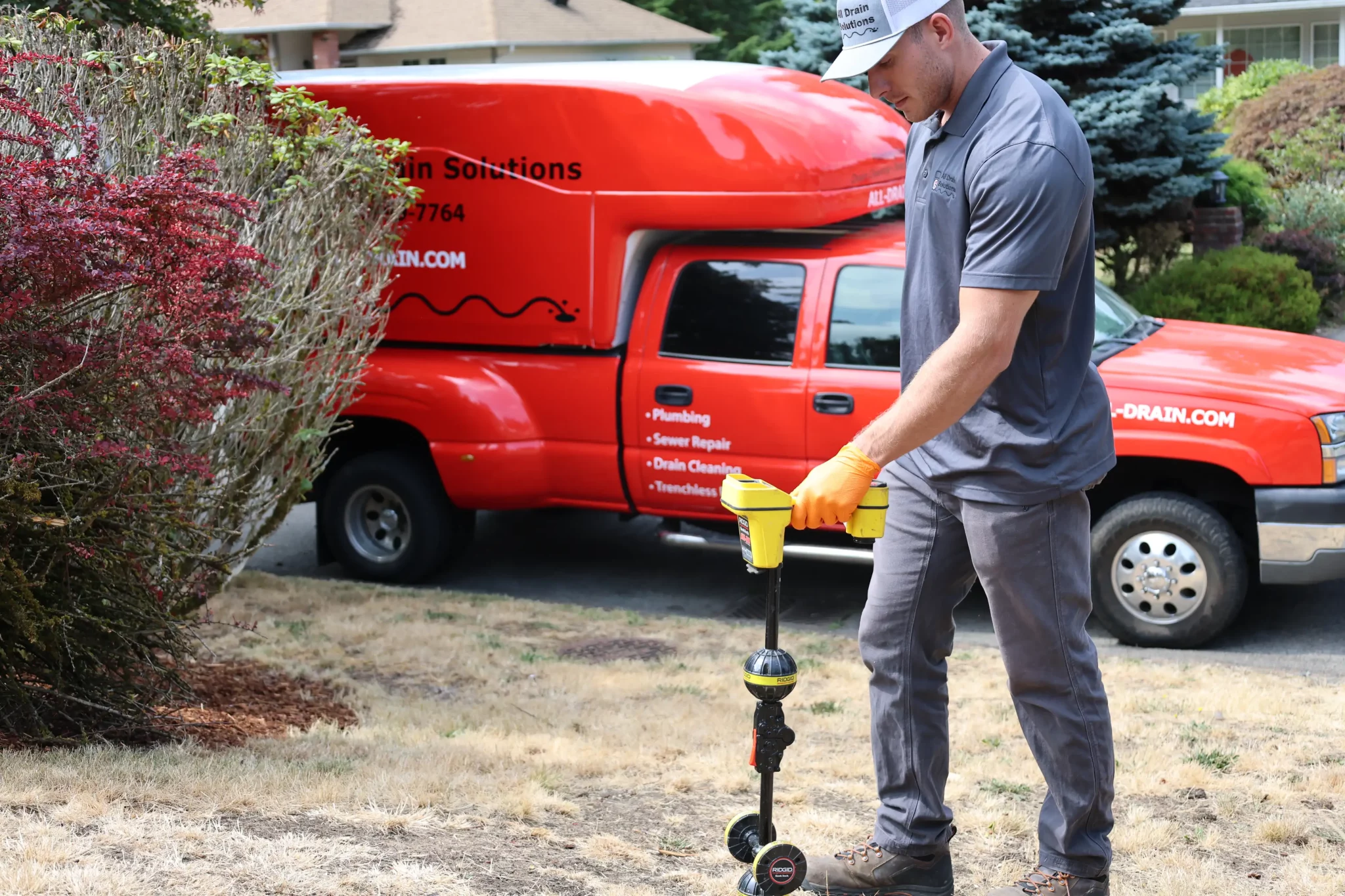
Seattle plumbers and leak detection specialists use a layered approach, combining multiple technologies to confirm the location and severity of leaks before any demolition or excavation begins. No single tool catches every leak, which is why experienced technicians cross-reference results across methods.
Acoustic detection is the most established method for finding pressurized pipe leaks. Technicians use listening sticks, ground microphones, and noise loggers that detect the high-frequency sound signature of water escaping from pipes. According to the PNNL report on leak detection technologies, noise loggers are typically placed at 100 to 300 foot intervals along pipe runs and collect acoustic data during low-use hours to minimize interference. Digital models with frequency filters reduce false positives from ambient noise like HVAC systems or traffic. Acoustic methods are especially effective for copper and steel pipes, though PVC pipes require sensors placed closer together since the material dampens sound transmission.
Thermal imaging cameras detect temperature differences on surfaces caused by moisture or evaporating water. Leaking water typically registers cooler than surrounding dry materials during warm months and warmer during cold months, assuming the water temperature differs from ambient conditions by at least 20 degrees Fahrenheit. Handheld thermal cameras work well for scanning walls, ceilings, and around plumbing fixtures. Drone-mounted cameras can survey outdoor transmission mains and underground lines where walk-through inspection is impractical.
Pin-type and pinless moisture meters measure moisture content in building materials like drywall, wood, and concrete. Technicians use these tools to map the extent of water migration from a suspected leak point. For particularly elusive leaks in pressurized lines, tracer gas (typically a hydrogen-nitrogen mixture) is introduced into the pipe. The gas escapes through the leak and is detected at the surface using a sensitive sniffer probe, providing highly accurate pinpointing.
Modern leak detection increasingly incorporates data analytics. Smart water meters transmit usage data to monitoring software that flags anomalies, such as continuous flow during hours when no fixtures should be in use. While these meters do not pinpoint the exact location of a leak, they alert homeowners and property managers to the presence of a problem and can quantify its severity by measuring the volume of water lost.
For internal pipe assessment, waterproof cameras mounted on flexible cables are fed through cleanouts and drain lines. This allows technicians to visually inspect pipe condition, identify cracks, corrosion, and joint failures, and determine whether root intrusion or debris buildup is contributing to blockages or leaks.
| Method | Best For | Accuracy | Limitations |
|---|---|---|---|
| Acoustic Listening | Pressurized supply lines, copper and steel pipe | High for accessible pipes | Less effective on PVC, requires quiet conditions |
| Thermal Imaging | Behind walls, under slabs, around fixtures | Moderate to high | Needs 20°F temperature difference between water and ambient |
| Moisture Meters | Mapping water migration in building materials | High for surface moisture | Cannot see inside walls without invasive access |
| Tracer Gas | Elusive pressurized leaks, underground lines | Very high | Requires pipe access point, trained operator |
| Smart Meter Analytics | Whole-home monitoring, nighttime flow analysis | Moderate for presence, low for location | Does not pinpoint exact leak location |
| Video Inspection | Drain and sewer lines, internal pipe condition | Visual confirmation | Limited to pipe interiors, cannot see exterior damage |
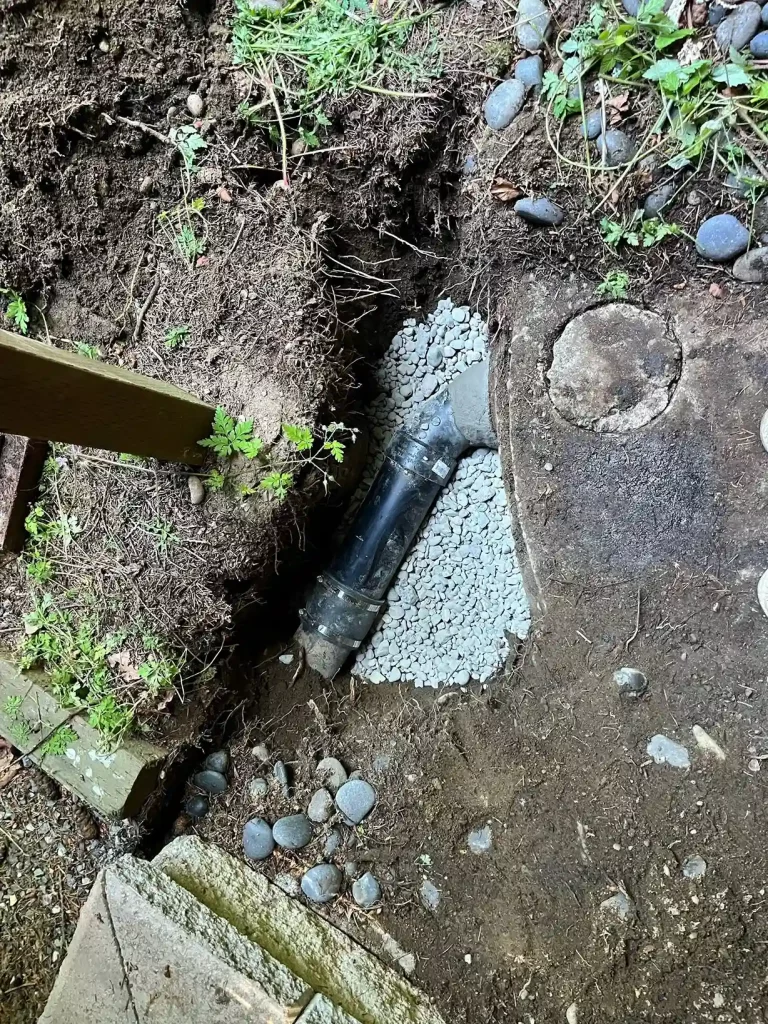
While professional equipment catches leaks that no homeowner can find on their own, there are a few preliminary checks worth performing. These steps take minutes and can help you provide useful information when you do reach out to a specialist.
Water meter test: Turn off all water-using fixtures and appliances. Check your water meter, wait two hours without using any water, and check again. If the meter reading has changed, you have a leak somewhere in the system.
Winter usage review: The EPA recommends examining your water bill during a colder month like January or February. If a family of four exceeds 12,000 gallons per month, hidden leaks are a likely cause.
Toilet dye test: Place a few drops of food coloring in the toilet tank. If color appears in the bowl within 10 minutes without flushing, the flapper is leaking.
Visual inspection: Check under sinks, around water heaters, near washing machine connections, and along visible pipe runs for any moisture, discoloration, or mineral buildup.
Listen: Sit quietly with all water turned off and listen for hissing, dripping, or a faint rushing sound from walls, floors, or ceilings.
Choosing a leak detection provider matters as much as choosing the right detection method. Look for these indicators when evaluating a service:
All Drain Solutions serves the greater Seattle area with professional leak detection and repair services that combine acoustic, thermal, and video inspection methods to find hidden leaks before they cause extensive damage. Our team works with Seattle’s older home plumbing systems and modern construction alike, and we provide clear documentation of every finding so you can make informed decisions about repairs.
Request a Free Quote | Schedule a Leak Inspection
Call us at (206) 899-7764 or email office@all-drain.com to get started. Early detection is the most affordable repair strategy available, and catching a leak now can save you from costly structural and mold remediation work down the road.
A slow pinhole leak behind drywall or under a slab can operate for months or even years before visible damage appears. The timeline depends on leak rate, surrounding materials, and drainage conditions. In Seattle’s damp climate, the surrounding environment absorbs and redistributes moisture, which can further delay detection.
Yes. The EPA’s mold guidance confirms that mold can grow behind drywall, wallpaper, ceiling tiles, and under carpets where moisture from leaking or condensing pipes collects. You may smell a musty odor or notice health symptoms like sneezing and irritated eyes before seeing any visible mold.
Acoustic detection combined with thermal imaging provides the most reliable non-invasive approach for slab leaks. Technicians use ground microphones to listen for the sound of water escaping beneath concrete, then confirm the location with thermal cameras that detect temperature anomalies. Tracer gas detection offers additional pinpointing accuracy when needed.
Seattle’s housing stock includes many homes built from the 1940s through the 1970s with galvanized steel and early-generation copper supply lines. These materials have reached or exceeded their expected service life, making them prone to internal corrosion and pinhole leaks. The city’s ongoing water infrastructure rehabilitation efforts reflect similar aging concerns across the broader distribution system.
Coverage varies by policy and often depends on whether the insurer considers the damage sudden and accidental versus gradual and preventable. Many policies cover the sudden water damage itself but exclude the cost of repairing the leaking pipe if it deteriorated over time. Review your policy language and contact your insurance provider to understand your specific coverage before damage escalates.