
Keeping commercial drain systems flowing smoothly requires a combination of preventive maintenance, staff training, regulatory compliance, and the right professional support. Whether you manage a restaurant, healthcare facility, office building, or industrial plant, the right drain cleaning approach depends on your facility type, volume of wastewater, and local regulations. Below, we break down the core strategies, from daily kitchen practices to annual inspections, so you can build a program that protects your property and keeps operations running without interruption.
FOG is the single largest operational threat to commercial drain systems. Residual fats, oils, and grease from cooking, cleaning, and equipment sanitation enter plumbing through ware washing, floor cleaning, and food prep. Sanitary sewer systems were never designed to handle this material, which accumulates on pipe interiors and forms hardened blockages over time. According to the U.S. EPA, FOG is the leading cause of sanitary sewer overflows (SSOs), costing municipalities millions in cleanup and infrastructure damage each year.
FOG falls into two categories:
Both types cause serious problems when they enter drain lines. The UC Berkeley Office of Environment, Health and Safety notes that the most effective way to manage FOG is to keep it out of the plumbing services entirely through proper handling at the source.
Grease interceptors, sometimes called grease traps, are mandatory for any commercial kitchen or food service establishment in most jurisdictions. They work by holding wastewater long enough for FOG to cool, solidify, and separate so it can be removed before water enters the sewer system.
Seattle Public Utilities provides a clear compliance framework that serves as a useful benchmark regardless of location:
| Facility Type | Recommended Cleaning Frequency | Key Considerations |
|---|---|---|
| High-volume restaurants | Weekly to bi-weekly | Heavy frying and food prep generate rapid FOG accumulation |
| Medium-volume kitchens | Monthly minimum | Monitor 25% fill rule and adjust frequency accordingly |
| Low-volume establishments | Monthly to quarterly | Coffee shops, delis, and caterers still require regular servicing |
| Large in-ground interceptors | Quarterly minimum | Many municipalities require professional pumping services |
| Under-sink grease traps | Daily to weekly | Smaller capacity fills faster; scrape and skim frequently |
The most effective drain maintenance programs start with what happens at the source. Clackamas County Water Environment Services outlines a set of BMPs that significantly reduce FOG loading on drain systems:
Always remove food waste using dry methods before turning on water. This single practice prevents the majority of FOG from entering drain lines.
Drain maintenance extends well beyond commercial kitchens. According to IFMA’s FMJ Magazine, drainage systems are among the most critical yet frequently overlooked components of a facility’s resilience. When neglected, they lead to flooding, structural damage, mold, and operational disruption.
For commercial buildings with flat or low-slope roofs, roof drains are the primary defense against water accumulation. Regular inspection and cleaning, especially during fall when leaves and debris accumulate, prevents ponding and roof membrane damage. Facility managers should verify that strainers are intact, connections are watertight, and piping is clear of obstructions.
Surface drains and catch basins protect parking lots, loading docks, sidewalks, and below-grade structures from localized flooding. These inlets are prone to blockages from soil, leaves, and sediment. Multi-building facilities should map their drainage networks to identify high-risk locations and implement targeted inspection schedules.
In facilities with basements or lower-level areas, sump pumps are the last line of defense against water intrusion. Quarterly inspections should confirm proper float operation, check discharge lines for blockages, and verify that backup power supplies function correctly. Maintaining a pump testing log creates accountability and ensures nothing falls through the cracks.
While daily practices handle the basics, professional-grade tools are needed to address hidden problems and maintain system integrity over time.
| Tool | Function | When to Use |
|---|---|---|
| High-pressure water jetting | Clears organic waste, grease, silt, and root intrusion from pipe walls | Semi-annually or after recurring slow drains |
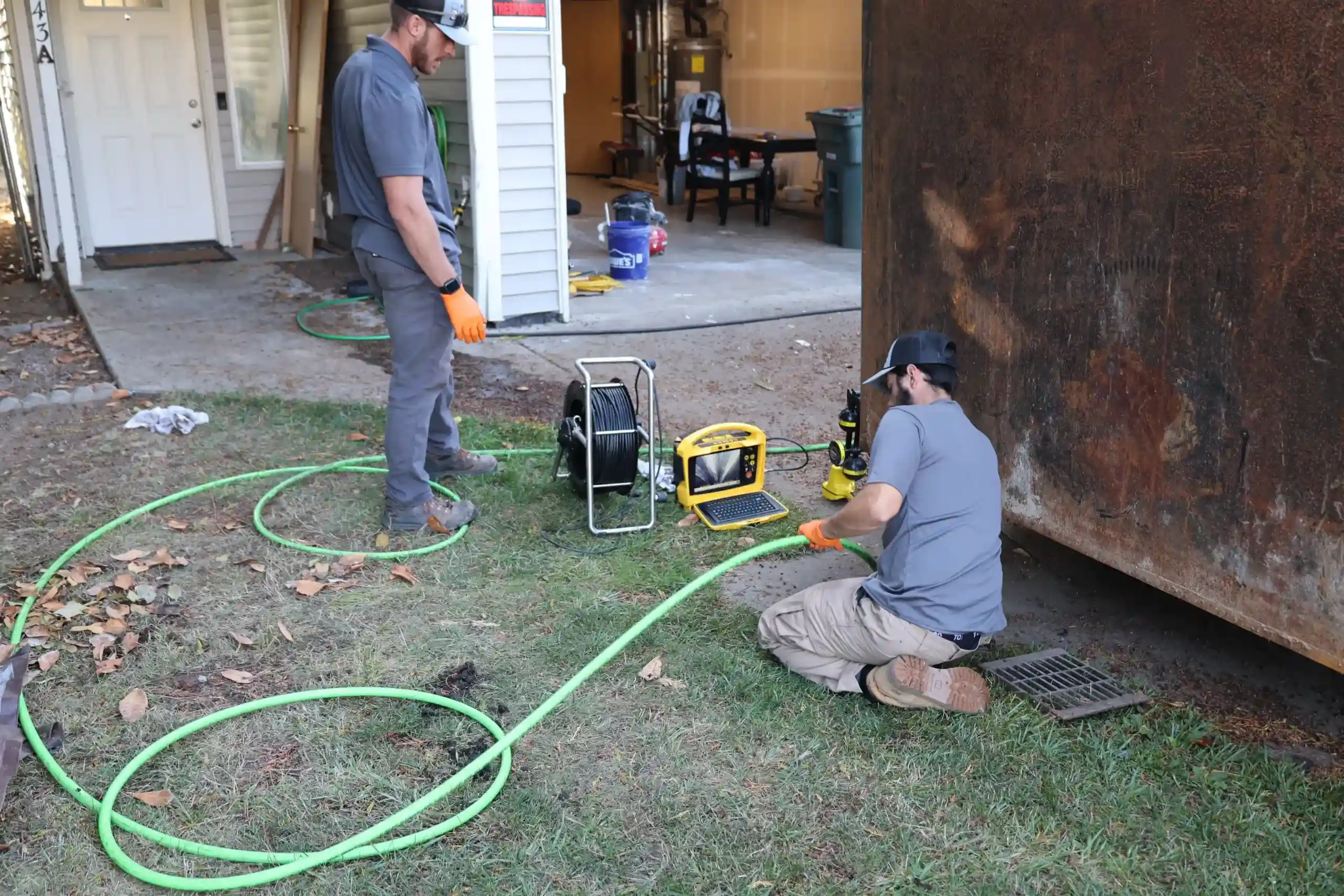
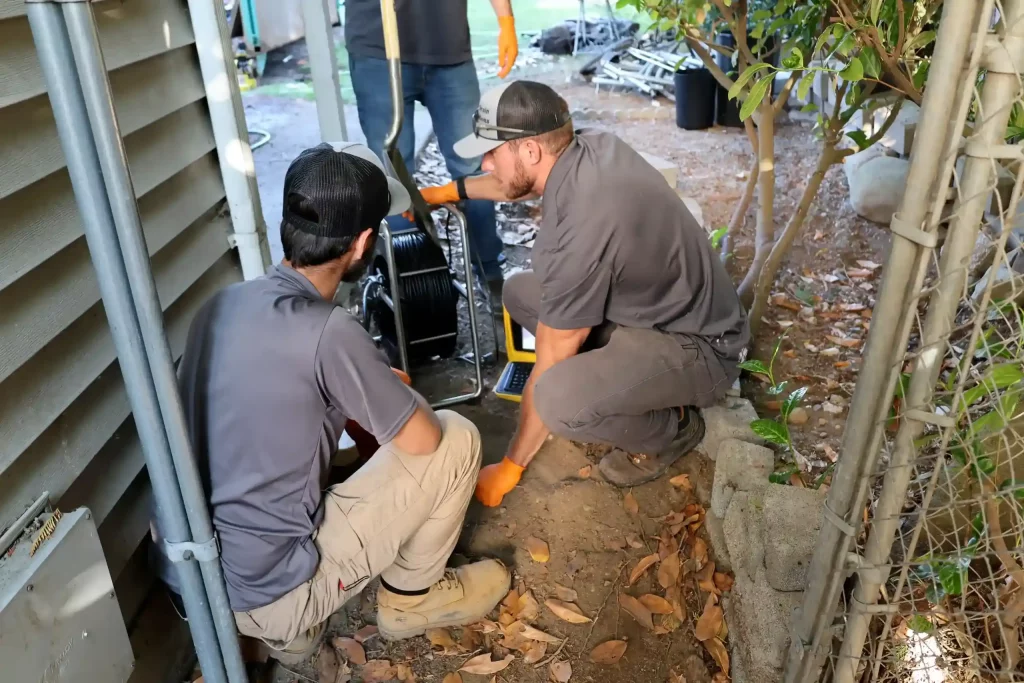
| Video inspection cameras | Provides real-time imaging inside pipes to detect cracks, corrosion, or blockages | Annually or when problems are suspected |
| Pipe locating technology | Identifies precise location and depth of buried drain lines | Before renovations or when troubleshooting |
| Leak detection systems | Finds hidden water losses in pressurized and non-pressurized systems | When unexplained moisture or high water bills appear |
These tools shift drain care from reactive emergency response to proactive resilience planning, catching small issues before they become major disruptions.
| Facility Type | Priority Focus | Recommended Approach |
|---|---|---|
| Restaurants and commercial kitchens | FOG control, grease interceptor compliance | Daily dry cleanup, weekly trap cleaning, monthly interceptor pumping, staff BMP training |
| Healthcare facilities | Infection control, uninterrupted operations | Quarterly professional inspections, video pipe inspections, sump pump testing |
| Office buildings and retail | Occupant comfort, property protection | Seasonal gutter and catch basin cleaning, annual roof drain inspection, surface drain clearing |
| Industrial and manufacturing | Process wastewater, regulatory compliance | Custom schedules based on discharge volume, professional jetting, monitoring and documentation |
| Multi-tenant properties | Shared system accountability | Drainage network mapping, regular professional assessments, tenant BMP communication |
How do you know your drain maintenance strategy is working? Look for these indicators:
Even well-intentioned programs can go wrong. These are the pitfalls we see most often:
Keeping your commercial sewer and drain system flowing smoothly requires expertise, consistency, and the right equipment. Our team at All Drain Solutions provides professional drain inspections, high-pressure jetting, video pipe diagnostics, and grease interceptor maintenance tailored to your facility’s specific needs. Whether you manage a single restaurant or a multi-tenant commercial property, we build maintenance programs that prevent emergencies and protect your bottom line.
Request a Free Quote | Request an Assessment
Contact us at [email protected] or call (253) 200-0451 to schedule a free consultation. We serve commercial properties throughout the Puget Sound region with responsive, professional service you can count on.
How often should commercial kitchen drains be professionally cleaned?
For high-volume restaurants, professional cleaning every one to three months is typical. Lower-volume facilities may schedule quarterly or semi-annual service. The right frequency depends on your FOG output and interceptor capacity.
What is the 25% rule for grease interceptors?
Most jurisdictions require grease interceptors to be pumped or cleaned when FOG and food waste accumulate to 25% of the interceptor’s total volume. Operating above this threshold allows grease to pass through into the sewer system.
Can we use enzyme or bacterial additives in our grease trap?
Many municipalities, including Seattle, prohibit emulsifying agents, enzymes, and bio-additives in grease interceptors because they can dissolve FOG and pass it downstream rather than removing it. Check your local regulations before using any additive.
What are the early warning signs of a drain problem in a commercial building?
Slow drainage, gurgling sounds from floor drains, recurring odors, and water pooling near floor sinks or cleanouts are all early indicators. Addressing these signs promptly can prevent full blockages and backups.
Why is dry cleanup more effective than washing food waste down the drain?
Dry cleanup methods like scraping and wiping remove FOG before water carries it into the plumbing system. Once FOG enters drain lines, it cools, solidifies, and adheres to pipe walls, building up over time and creating blockages that are expensive and disruptive to clear.