
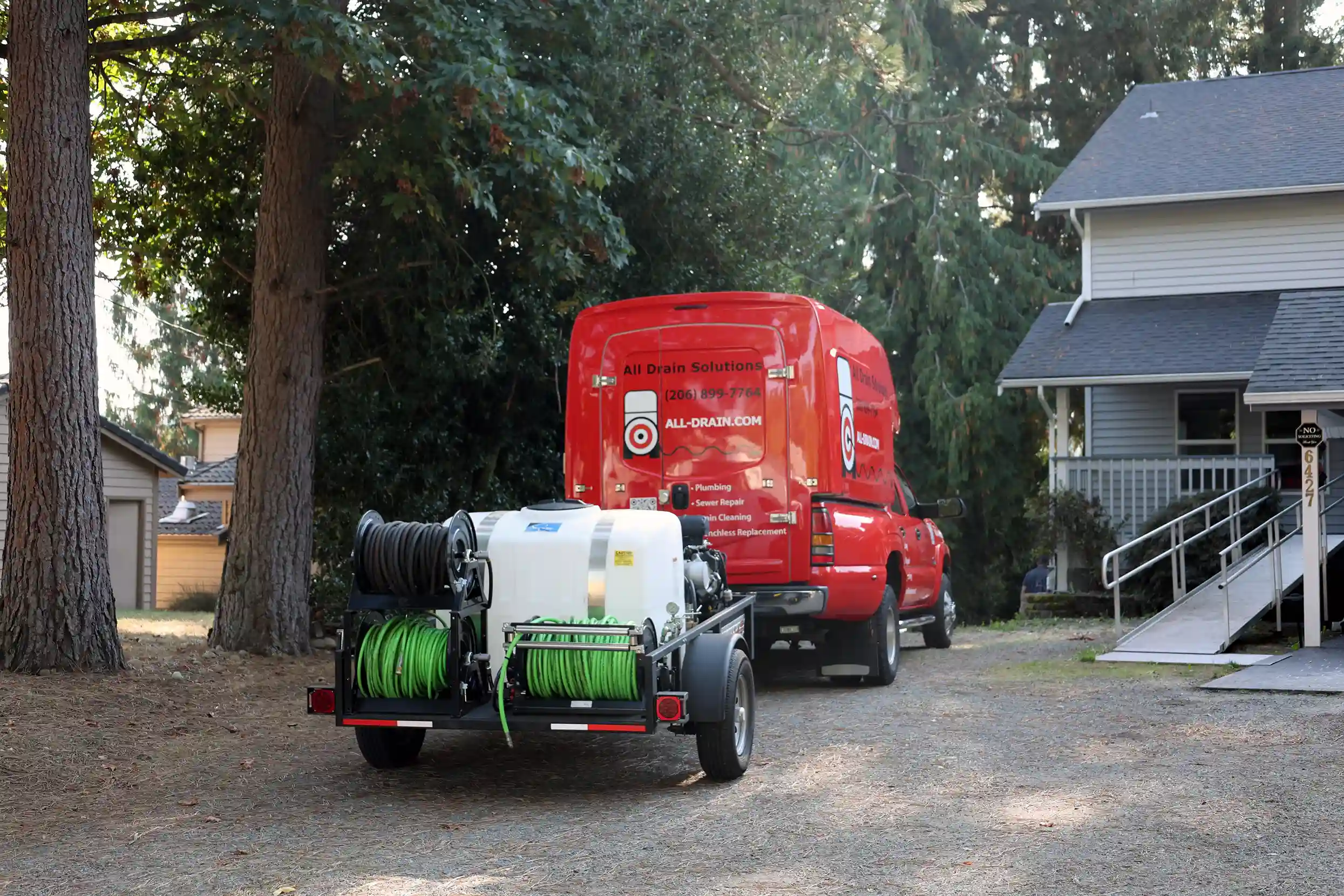
Hydro jetting uses pressurized water, typically between 1,500 and 4,000 PSI, to blast away grease buildup, sludge, and debris from the interior walls of sewer line repairs and drain pipes. Unlike mechanical snaking that punches a hole through a clog, hydro jetting scours the full diameter of the pipe, restoring optimal flow and significantly reducing the chance of recurring blockages. According to the EPA, grease from restaurants, homes, and industrial sources accounts for 47% of all reported sewer system blockages, making hydro jetting one of the most effective tools available for tackling the number one cause of pipe obstruction. Whether you are a homeowner dealing with slow kitchen drains or a commercial property managing grease-laden waste lines, the right hydro jetting approach depends on pipe material, the severity of buildup, and the type of debris involved.
Hydro jetting (also called sewer jetting or water jetting) is a drain cleaning method that uses a specialized nozzle attached to a high-pressure hose. The hose is fed into the pipe, usually through a cleanout access point, and pressurized water is forced through nozzles designed to direct jets both forward and backward. This dual-direction spray serves two purposes at once: the forward jets cut through blockages while the rear jets scrub the pipe walls and flush debris downstream toward the sewer main.
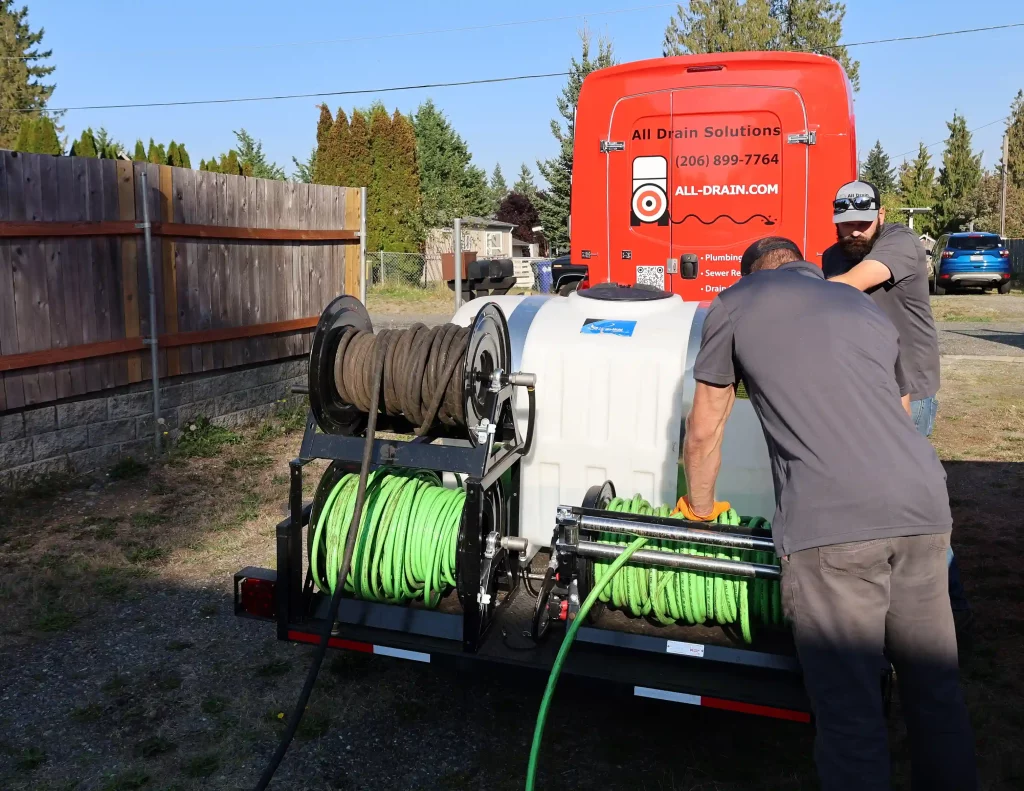
Sewer jetters range from portable electric units for residential work to truck-mounted systems used by municipalities and larger service providers. As noted in the Wikipedia article on drain cleaners, the power of a sewer jetter ranges from 1,000 PSI to 5,000 PSI depending on the equipment, with specialized nozzles available for different applications. Root-cutting nozzles, for example, use a spinning jet stream to sever tree roots infiltrating sewer lines, while general cleaning nozzles are optimized for scrubbing grease and sludge from pipe walls.
The problem with relying solely on drain snakes or cable augers for grease-related clogs comes down to what these tools actually accomplish. A plumbing snake punches a small channel through a blockage, which restores some flow but leaves behind the buildup coating the pipe walls. That residual grease and sludge act as a magnet for more debris, and the clog returns, often worse than before.
FOG is particularly stubborn because it undergoes a physical change inside pipes. When hot cooking oils and fats wash down a drain, they are in liquid form. As they travel through cooler sections of the plumbing system, they solidify and adhere to pipe walls, layer by layer. Over time, this creates a hard, waxy obstruction that narrows the pipe diameter and restricts flow. The Clemson University Cooperative Extension confirms that the EPA identifies grease as the most common cause of sewer blockages at 47%, and notes that when these blockages cause overflows, raw sewage enters the environment untreated, carrying pathogens and excess nutrients into waterways.
Hydro jetting addresses this problem by using high-pressure water to fracture and wash away the entire layer of buildup, leaving bare pipe walls behind. This is why jetting delivers longer-lasting results compared to mechanical methods.
| Method | How It Works | Best For | Limitations |
|---|---|---|---|
| Hydro Jetting | Pressurized water (1,500-4,000 PSI) through multi-directional nozzles | Grease, sludge, scale, sand, small roots | Requires video inspection first; not suitable for damaged pipes |
| Cable Snaking | Rotating metal cable with auger tip punches through clogs | Simple hair or food clogs in small-diameter pipes | Leaves residue on pipe walls; clogs often return quickly |
| Chemical Cleaners | Caustic or acidic solutions dissolve organic material | Minor household clogs near drain openings | Can damage pipes with repeated use; harmful to environment |
| Enzyme Cleaners | Biological enzymes break down organic matter over time | Preventative maintenance for minor grease buildup | Slow-acting; ineffective against severe blockages |
A professional hydro jetting service follows a structured process to ensure effectiveness and protect the plumbing system.
1. Video Pipe Inspection
Our technicians insert a waterproof camera into the line to assess the type and location of the blockage, check pipe condition, and identify any damage, cracks, or bellying that could be worsened by high pressure. This step determines whether hydro jetting is appropriate and what pressure settings to use.
2. Nozzle Selection
Different nozzles serve different purposes. A penetrating nozzle breaks through heavy grease and solid blockages. A rotating nozzle scrubs pipe walls clean. A root-cutting nozzle handles tree root intrusion. Selecting the right nozzle directly affects the quality of the result.
3. Controlled Water Jetting
The hose is fed into the pipe, and pressurized water is introduced in calibrated passes. Multiple passes may be needed for severe buildup. The technician monitors pressure throughout to ensure the force is strong enough to clear debris but not so strong that it damages the pipe.
4. Final Flush and Verification
After the debris has been cleared, a final flush pass removes any remaining loose material. A follow-up camera inspection confirms the pipe is fully clean and identifies any structural issues that may need repair.
| Property Type | Recommended Approach | Key Notes |
|---|---|---|
| Restaurants / Commercial Kitchens | Quarterly to semi-annual jetting | Grease from cooking is continuous; interceptors alone cannot prevent all downstream buildup |
| Multi-Family Housing | Annual preventative jetting | Shared drain lines accumulate FOG from multiple units; high-density residential areas are prone to grease blockages |
| Single-Family Homes | As-needed or biennial maintenance | Kitchen drains and main sewer lines benefit from periodic cleaning to prevent surprise backups |
| Municipal Sewer Systems | Scheduled line jetting programs | Proactive maintenance reduces sanitary sewer overflows and extends pipe infrastructure life |
Commercial kitchens produce the highest volumes of FOG waste. The Texas Commission on Environmental Quality reports that restaurants and food service establishments can spend tens of thousands of dollars each year on plumbing emergencies caused by grease blockages. Some municipalities also charge businesses for pipe repairs and spill cleanup if the blockage can be traced back to a specific establishment. Routine hydro jetting pays for itself by preventing these emergency costs and keeping operations running without interruption.
The New England Water Environment Association white paper on FOG management confirms that excessive grease buildup in collection systems reduces effective pipe capacity, impairs system performance, and can cause total blockage leading to Sanitary Sewer Overflows. These overflows result in wastewater entering basements, streets, and water bodies, creating public health risks and potential Clean Water Act violations. Proactive jetting of sewer lines is a standard best practice for reducing these risks.
Choosing the right provider matters as much as choosing the right method. Look for a team that begins every job with a camera inspection rather than guessing at the problem. A strong provider will explain what they find, recommend the appropriate pressure and nozzle type, and walk you through the process before starting work. They should also offer documentation, including before-and-after video footage, so you can see the results for yourself. Transparent pricing, clear communication, and a focus on long-term prevention over short-term fixes are all indicators of a service worth trusting.
All Drain Solutions provides professional hydro jetting services for residential, commercial, and municipal properties. Our experienced technicians use video inspection technology to evaluate your lines before recommending the right cleaning approach, and we tailor pressure settings and nozzle selection to your specific pipe material and condition. Whether you are dealing with a stubborn grease clog in a restaurant kitchen or need preventative maintenance for your building’s main sewer line, we deliver thorough, lasting results.
📞 Request a Free Quote | 📋 Schedule a Drain Inspection
Reach us at [email protected] or call (206) 899-7764 to get started today.
A standard residential hydro jetting job typically takes between one and three hours depending on line length and buildup severity. Commercial or municipal jobs may require longer due to larger pipe diameters and heavier grease accumulation.
When performed by trained professionals who conduct a video inspection first, hydro jetting is safe for most pipe materials including PVC, cast iron, and clay. Pressure is calibrated to the pipe condition, and fragile or damaged pipes are identified before jetting begins.
Most food service establishments benefit from quarterly or semi-annual hydro jetting to keep grease from accumulating in drain lines and sewer laterals. High-volume kitchens may need more frequent service depending on their output.
Hydro jetting can be used on the drain lines leading to a septic tank, but the septic tank itself should never be jetted. Our technicians assess the full system during inspection to ensure the service is applied only where appropriate.
Chemical cleaners rely on caustic reactions to partially dissolve clogs, which can damage pipes and harm the environment. Hydro jetting uses only pressurized water, making it an eco-friendly option that removes the entire blockage and scrubs pipe walls clean without introducing harmful substances.