
Tree root intrusion in sewer lines is one of the most common and expensive plumbing problems homeowners face, particularly those with mature landscaping or older pipe infrastructure. When roots find their way into sewer pipes through small cracks, loose joints, or deteriorated sections, they can grow undetected until they cause slow drains, recurring clogs, or even complete blockages that lead to sewage backups inside the home. The right approach to handling root intrusion depends on several factors: the age and material of your sewer pipes, the severity of the intrusion, and whether you want a temporary fix or a permanent solution. Understanding how roots enter pipes, what warning signs to watch for, and which repair methods actually last can save you thousands in emergency repairs and property damage.
Tree roots do not actively seek out sewer pipes, but they are biologically programmed to grow toward moisture. Scientific research on root hydrotropism, the process by which roots sense and grow toward water, shows that plant roots use moisture gradients in soil to direct their growth toward areas with higher water availability. Warm water flowing through sewer pipes creates water vapor that escapes through tiny cracks, loose joints, and deteriorated connections. Roots detect this vapor trail and follow it back to the source.
According to the City of Traverse City’s Sewer and Water Department, once roots reach a crack or joint, they penetrate the opening to access the nutrients and moisture inside the pipe. Inside the warm, nutrient-rich, oxygenated atmosphere above the water line, roots thrive and multiply. This process continues even through winter months when trees appear dormant. Over time, these hair-like root masses expand and become matted with grease, tissue paper, and household debris, forming dense blockages that restrict or completely stop wastewater flow.
The U.S. Forest Service’s Pacific Southwest Research Station published findings confirming that root intrusion contributes to more than 50% of all sewer blockages, with the highest incidence in older sewer systems that have joints, shallow pipes, and small-diameter lines. Older infrastructure is simply more vulnerable because aging materials develop cracks and joints separate over time.
Recognizing the early warning signs of root intrusion can mean the difference between a routine maintenance visit and a costly emergency. Here are the most common indicators:
Slow-draining fixtures. If multiple drains in your home are slow to clear simultaneously, the blockage is likely in your main sewer line rather than an individual branch drain.
Gurgling sounds. Air trapped by root blockages forces bubbles through the water in toilet bowls and sink drains, producing a distinct gurgling noise, especially after using washing machines or running multiple fixtures.
Recurring clogs. If your plumber clears a clog and it returns within weeks or months, roots are likely growing back through the same entry points. Standard drain cleaning removes the blockage but leaves the roots behind to regrow.
Sewage odors. Foul smells from drains, floor drains, or your yard indicate that wastewater is not flowing properly and may be backing up or leaking from compromised pipes.
Wet or unusually lush patches in the yard. Sewage leaking from cracked pipes acts as fertilizer, creating patches of grass that are noticeably greener and healthier than surrounding areas. Soggy spots or sinkholes near your sewer line repair path are also warning signs.
Multiple drain backups at once. When wastewater from one fixture surges up through another, your main line is severely obstructed and needs immediate attention.
The consequences of untreated root intrusion escalate quickly. According to the EPA, tree roots entering through defects or openings in a sewer line are a recognized cause of blockages that lead to sanitary sewer overflows. The EPA estimates that between 23,000 and 75,000 sanitary sewer overflow events occur in the United States each year. When these overflows affect private property, raw sewage can back up into homes, basements, and yards, exposing occupants to bacteria, viruses, and parasites that cause gastrointestinal illness and other health problems.
Beyond health risks, ongoing root intrusion progressively damages pipe integrity. As roots grow thicker at their entry points, they exert pressure that widens cracks, breaks joints, and can eventually cause the pipe to collapse entirely. The U.S. Forest Service research notes that collapse repair costs are significantly higher than new construction costs, and that regular root removal costs roughly one-sixth the cost of full pipe replacement triggered by root damage. Preventive maintenance on older sewer systems consistently proves less expensive than reactive repairs.
Property damage from sewage backups can be extensive. Flooring, drywall, furniture, and personal belongings that come into contact with raw sewage typically require replacement, and the cleanup process involves professional disinfection to eliminate pathogens.
The type of sewer pipe serving your property directly affects its susceptibility to root intrusion. Different materials offer different levels of resistance.
| Pipe Material | Era Commonly Installed | Root Vulnerability | Typical Failure Mode |
|---|---|---|---|
| Clay tile | Pre-1990s | High | Cracks at joints, root penetration through joint seals |
| Cast iron | Pre-1970s | Moderate to high | Corrosion, joint separation, cracking |
| Concrete | Various decades | Moderate | Cracking from ground movement, joint degradation |
| PVC plastic | 1990s to present | Low | Fewer joints, tightly sealed connections resist root entry |
| Orangeburg (bituminous fiber) | 1940s-1970s | Very high | Structural collapse, deformation, rapid deterioration |
PVC pipe is the most resistant to root intrusion primarily because it has fewer joints and those joints fit tightly, reducing the opportunities for water vapor to escape and roots to enter. Clay tile, the most commonly affected material, was widely installed in residential developments through the late 1980s and remains in service across millions of homes.
There is no single solution that fits every root intrusion situation. The right approach depends on the condition of your pipes, the extent of root growth, and your long-term goals for the property.
Augers, root saws, and high-pressure hydro jetting can cut through root masses and clear blockages to restore flow. This is effective for immediate relief but does not seal the entry points. Roots typically regrow within 6 to 12 months, making this a recurring maintenance task rather than a permanent fix. In smaller-diameter pipes, annual or biannual root removal is common practice.
After roots are mechanically cleared, a resin-saturated liner is inserted into the existing pipe and cured in place, creating a new, jointless pipe within the old one. This seals all cracks, gaps, and joints so roots cannot re-enter. CIPP lining is a trenchless method that avoids digging up your yard and is considered the most effective long-term solution for root intrusion in pipes that are otherwise structurally sound enough to host a liner.
When pipes are severely damaged, collapsed, or too deteriorated for lining, full replacement is necessary. This involves excavating the old pipe and installing new material. While the most disruptive and expensive option, it provides a completely new system with modern materials that resist root intrusion.
Root-killing chemicals can be introduced into sewer lines to slow root regrowth after mechanical clearing. These treatments must be used carefully, as they can affect nearby vegetation and must be applied according to product guidelines and local regulations. Chemical treatments are a supplement to, not a replacement for, mechanical or structural solutions.
Prevention is the most cost-effective approach to managing root intrusion risk. The Iowa State University Extension explains that structural tree roots can extend more than four times the dripline of the tree, meaning a tree with a 30-foot canopy spread can have roots reaching 120 feet from the trunk. When planning landscaping, this spread should guide planting decisions.
Plant with awareness. Keep trees and large shrubs at least 10 feet from your sewer lateral, and select slower-growing species with less aggressive root systems for areas near underground pipes.
Schedule regular inspections. A sewer camera inspection every 1 to 2 years can catch root intrusion in its early stages, before it causes blockages or pipe damage. Early detection allows for less invasive and less expensive repairs.
Maintain your sewer lateral. Keeping the line clean and structurally sound reduces the water vapor and nutrient leaks that attract roots. Repair any cracks or joint separations promptly.
Be strategic with existing trees. If you have mature trees near your sewer line, work with an arborist and a plumbing professional to develop a maintenance plan that protects both your trees and your pipes.
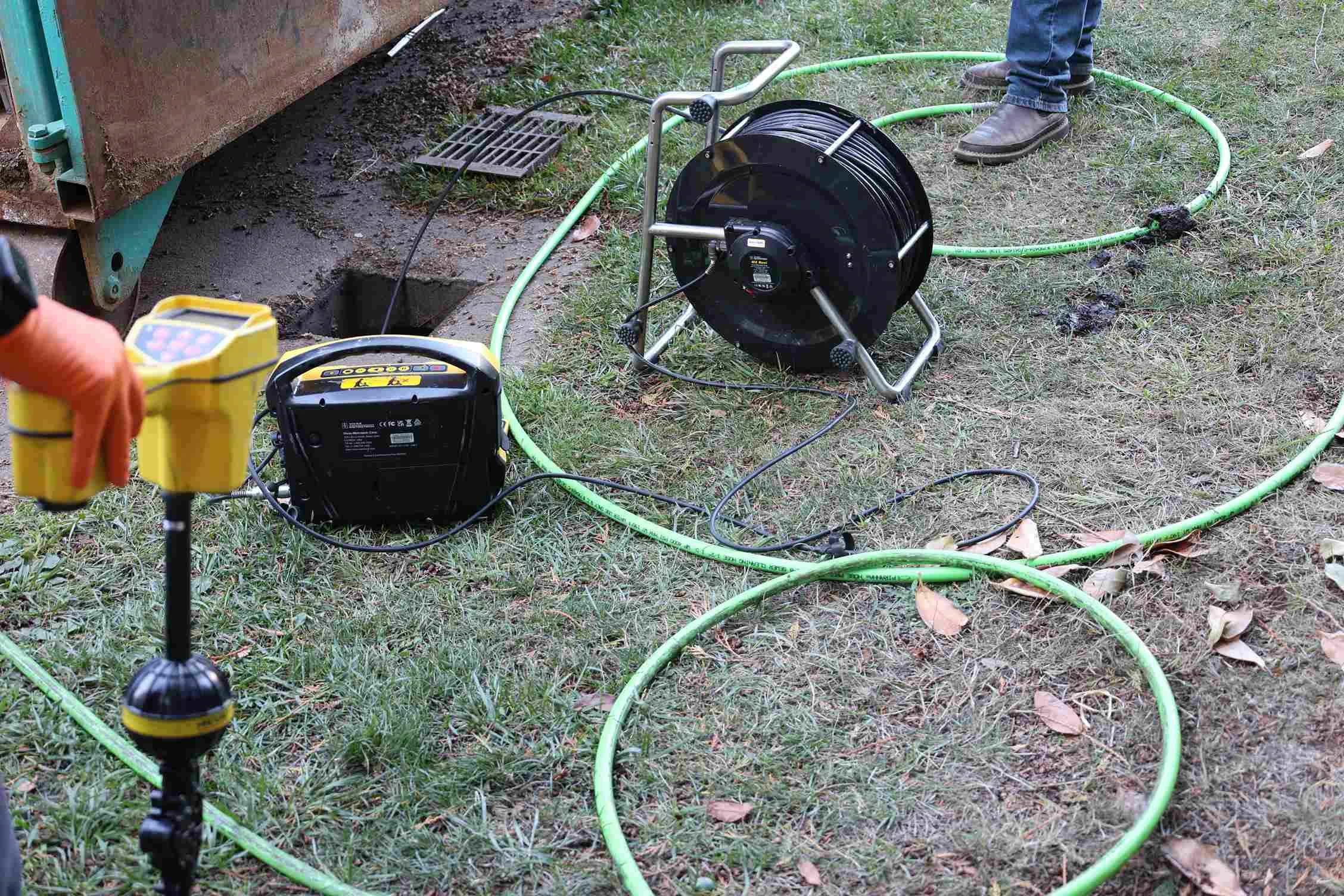
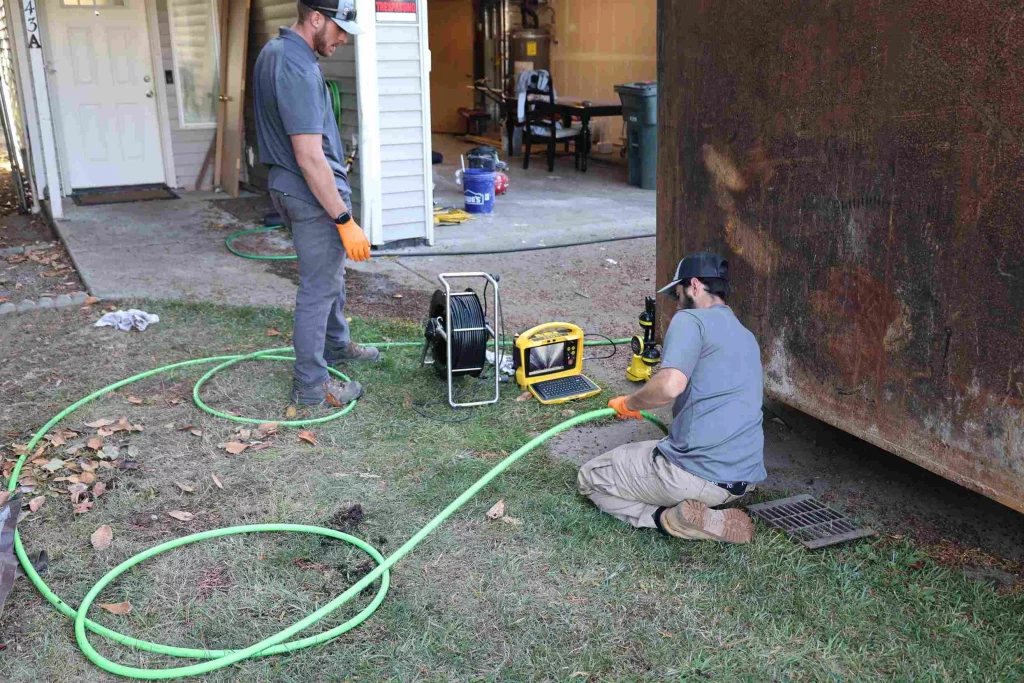
Choosing the right professional to diagnose and repair root intrusion matters. Look for a provider who starts with a thorough camera inspection and explains the findings clearly. The inspection report should identify pipe material, the exact location and severity of root intrusion, the overall condition of the pipe, and whether the line has the structural integrity for lining or needs full replacement.
A qualified specialist will present multiple repair options with honest assessments of expected outcomes, not push a single solution. They should explain the difference between temporary relief and permanent repair, and be transparent about what each method involves. Experience with trenchless repair technology is a strong indicator of a provider who can solve root intrusion problems with minimal disruption to your property.
All Drain Solutions specializes in diagnosing and resolving tree root intrusion in sewer lines throughout the region. Our team uses advanced camera inspection technology to pinpoint exactly where roots are entering your pipes, and we offer both mechanical root removal and trenchless pipe lining to restore your sewer system for the long term. Whether you are dealing with your first slow drain or a recurring clog that keeps coming back, we can develop a solution that fits your specific situation.
Request a Free Quote | Schedule a Camera Inspection
Contact us at (253) 200-0451 or email [email protected] to get started. Protecting your sewer lines from root damage now prevents far more expensive emergencies down the road.
Roots detect water vapor escaping through cracks, loose joints, or deteriorated connections in the pipe. They follow the moisture trail and enter through even the smallest openings, then continue growing inside the warm, nutrient-rich pipe environment.
Yes. As roots grow thicker at their entry points, they exert outward pressure that widens cracks and breaks apart joints. Over time, this can lead to total pipe collapse, requiring full replacement.
Homes with mature trees near the sewer lateral should have a camera inspection every 1 to 2 years. Homes with older clay or cast iron pipes in areas with heavy tree coverage may benefit from annual inspections.
Cured-in-place pipe lining is considered the most effective long-term solution. It creates a seamless, jointless pipe inside the existing one, sealing all cracks and entry points so roots cannot re-enter.
Fast-growing species with aggressive, water-seeking root systems, such as willow, maple, poplar, and certain elm varieties, pose the highest risk. However, any tree near a sewer lateral can potentially cause intrusion over time.