
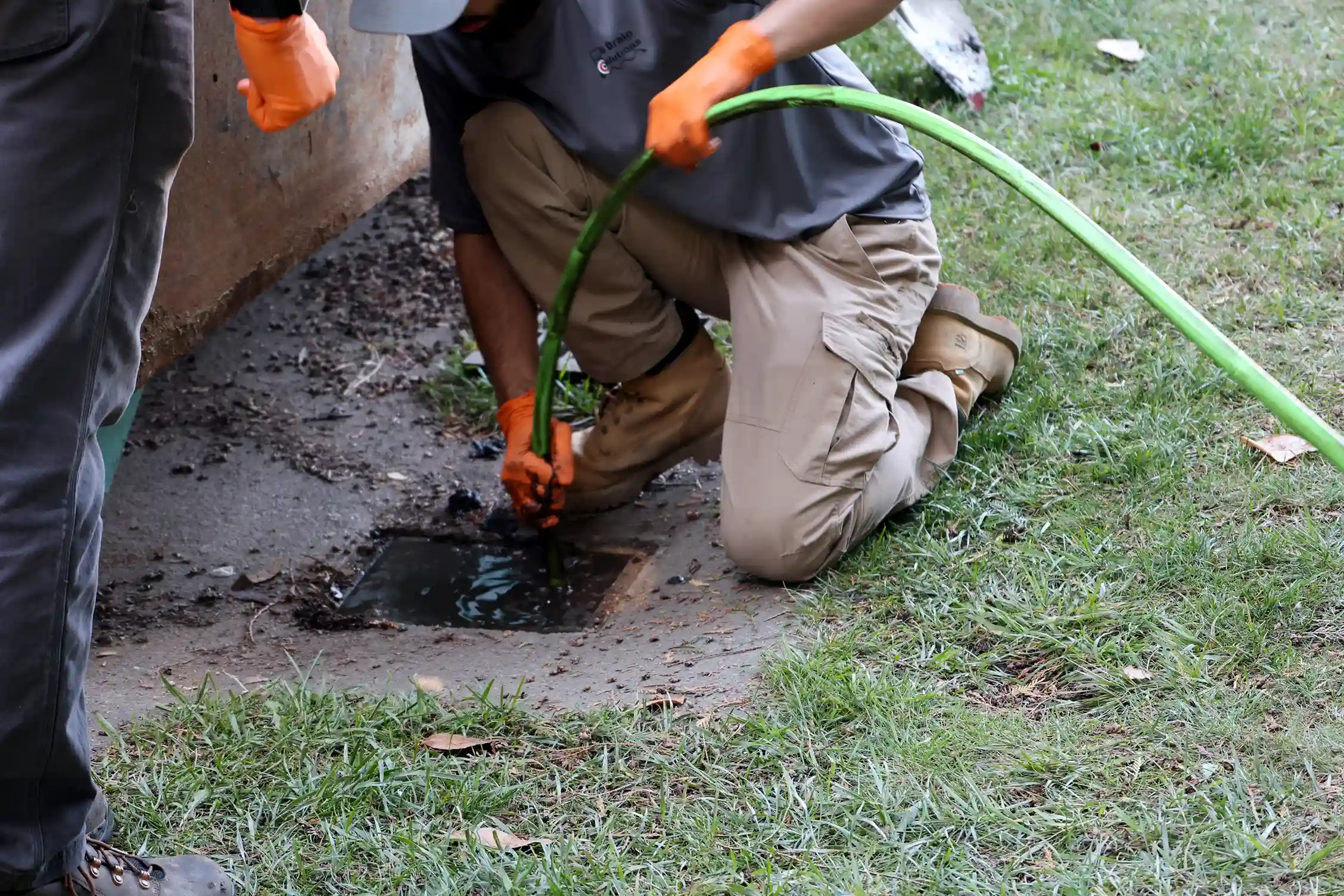
Professional drain cleaning services protects your plumbing system from slow, hidden damage that compounds over months and years. In Puyallup, WA, where many homes were built decades ago with aging pipes, neglecting routine drain maintenance leads to clogs, corrosion, sewer gas exposure, and eventually structural water damage. The right approach depends on your home’s age, pipe material, and whether you are dealing with a slow drain or a recurring backup, but the common thread is clear: professional attention catches problems that store-bought chemical cleaners and plungers never will.
Your home’s drain-waste-vent (DWV) system does more than carry water away. It maintains neutral air pressure so fixtures drain freely, and it uses water-filled traps to block sewer gases from entering your living spaces, according to the Drain-waste-vent system reference on Wikipedia. When drains clog or flow slowly, this balance breaks down.
Clogs restrict airflow in the vent system, creating negative pressure that can siphon water out of P-traps. Once that water seal is gone, sewer gases travel directly into your home. Additionally, standing water behind a partial clog accelerates pipe corrosion from the inside out, weakening joints and connections over time. Professional drain cleaning clears the full diameter of the pipe, restores proper airflow, and removes the organic buildup that feeds ongoing obstruction.
Clogged drains are not just a plumbing inconvenience. They create direct pathways for sewer gas to enter your home. Sewer gas is a mixture of toxic and nontoxic gases produced by decomposing household waste, including hydrogen sulfide, ammonia, methane, carbon dioxide, and sulfur dioxide, as documented by the Wisconsin Department of Health Services in their sewer gas exposure guide.
Hydrogen sulfide is the most dangerous component. It smells like rotten eggs at low concentrations, but at higher levels it causes olfactory fatigue, meaning you stop smelling it even though the gas is still present. The Occupational Safety and Health Administration (OSHA) identifies hydrogen sulfide as one of the leading causes of workplace gas inhalation deaths in the United States. While residential concentrations are typically lower than industrial settings, a home with clogged, backing-up drains and compromised venting can accumulate dangerous levels, especially in basements and enclosed spaces.
Symptoms of low-level exposure include eye irritation, headaches, dizziness, nausea, and fatigue. Methane in sewer gas also displaces oxygen, and at high enough concentrations both methane and hydrogen sulfide are flammable, creating explosion risks. Regular professional drain cleaning keeps your DWV system functioning as designed, maintaining the trap water seals and vent airflow that protect your family from these hazards.
Most homeowners reach for a chemical drain cleaner or plunger first. The Wikipedia drain cleaner reference explains that while chemical cleaners use corrosive acids or alkalis to dissolve organic material, excessive use damages pipes. These products are also limited to clogs near the drain opening and provide no lasting benefit.
Professional drain cleaning uses equipment designed to address the entire pipe system:
| Method | Reach | Best For | Limitations |
|---|---|---|---|
| Plunger / Handheld auger | 0-25 feet from drain opening | Soft clogs near the trap (hair, soap) | Cannot clear main line blockages or tree roots |
| Chemical drain cleaner | Surface-level only | Minor organic buildup near the drain | Damages pipes with repeated use, limited effectiveness on deep clogs |
| Electric drain cleaner | Up to 80+ meters | Solid obstructions, tree roots, multi-fixture clogs | Requires trained operator, heavy equipment |
| Sewer jetter (hydro-jetting) | Hundreds of meters | Residue on pipe walls, grease buildup, root removal | Higher equipment investment, requires professional training |
The distinction matters for Puyallup homeowners. Many properties here have lateral sewer lines running from the house to the street, and these lines are where the most serious obstructions occur. Handheld tools cannot reach them. Only professional-grade electric snakes and hydro-jetting equipment clear these lines thoroughly.
Puyallup’s housing stock includes a significant number of homes built in the mid-to-late 20th century. Many of these properties have galvanized iron or cast iron drain pipes. Over decades, the protective zinc coating on galvanized iron corrodes, forming porous plaques and rust that gradually narrow the pipe interior and create rough surfaces where debris catches and accumulates. This was the same problem that originally drove the transition to copper and PVC piping by the 1960s.
Professional drain cleaning in these older systems requires specific knowledge of pipe material and condition. Our technicians assess pipe integrity before selecting the right cleaning method and pressure, avoiding damage to already-weakened lines. For homes with newer PVC or ABS plastic DWV systems, hydro-jetting is highly effective at removing grease and soap buildup without stressing the pipe walls.
Beyond pipe material, Puyallup’s climate plays a role. The Pacific Northwest’s wet seasons contribute to groundwater infiltration in aging lateral lines, and tree root intrusion is common where landscaping grows near sewer pipes. Professional cleaning with root-cutting sewer jetter nozzles addresses both issues in a single service visit.
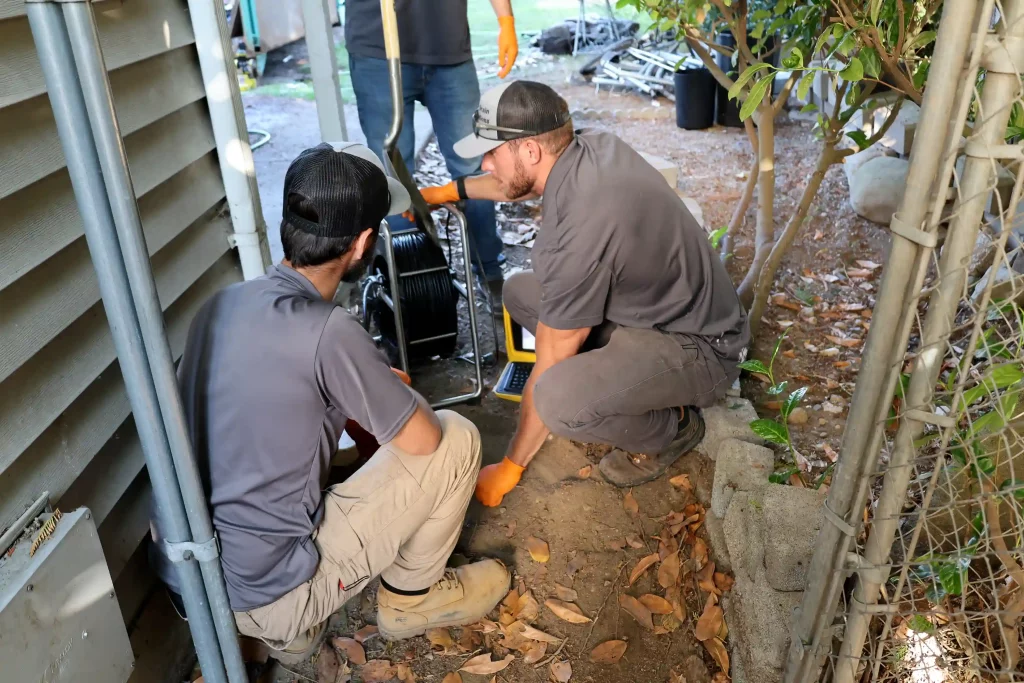
A thorough professional drain cleaning service goes beyond simply pushing a cable through a pipe. Our process includes:
This comprehensive approach addresses the root cause of drainage problems rather than just the symptoms. It also provides a documented baseline for future maintenance, making it easier to track pipe condition over time.
Certain warning signs indicate it is time to call a professional rather than attempting another DIY fix:
If you notice any of these signs, professional assessment is the safest next step. Ignoring them allows the underlying problem to worsen, often leading to sewage backups, water damage, and more expensive repairs.
| Home Type | Primary Risk | Recommended Approach | Maintenance Frequency |
|---|---|---|---|
| Pre-1970s (galvanized/cast iron) | Internal corrosion, sediment narrowing, joint failure | Gentle hydro-jetting with camera inspection | Annual inspection, cleaning as needed |
| 1970s-1990s (copper/PVC) | Grease buildup, soap residue, occasional root intrusion | Standard hydro-jetting or electric snake | Every 18-24 months |
| Post-2000 (PVC/ABS) | Grease and food waste buildup, vent blockages | Hydro-jetting, vent clearing | Every 2-3 years |
| Homes with large trees near sewer lines | Root intrusion, pipe cracking | Root-cutting jetter nozzle, annual camera inspection | Annual |
Choosing a professional drain cleaner matters as much as deciding to hire one. Look for these indicators:
All Drain Solutions provides professional drain cleaning services for homeowners throughout Puyallup, WA. Our experienced technicians use camera inspections, electric drain snakes, and hydro-jetting equipment to keep your entire drain system flowing properly and your home safe from sewer gas hazards. Contact our team at [email protected] or call (206) 899-7764 to request a quote or schedule your drain inspection today. Clean drains mean a healthy home, and we are here to make that happen.
Request a Free Quote | Schedule an Inspection
Most homes benefit from professional drain cleaning every 18 to 24 months. Older homes with galvanized or cast iron pipes may need annual attention due to internal corrosion and sediment narrowing.
Chemical cleaners only reach surface-level clogs near the drain opening and can damage pipes with repeated use. They do not address obstructions in the main line or residue buildup on pipe walls, which is where recurring problems originate.
Sewer gas often produces a rotten egg odor from hydrogen sulfide. Low-level exposure causes headaches, dizziness, and nausea, while high concentrations can lead to unconsciousness. If you smell it in your home, have your drains and vents inspected promptly.
Licensed technicians assess pipe material and condition before selecting a cleaning method. Older or weakened pipes receive gentler treatment to avoid damage, and camera inspection identifies any areas of concern before work begins.
When multiple fixtures drain slowly simultaneously or you notice water backing up in lower-level fixtures like floor drains, the clog is typically in the main sewer line rather than a single fixture trap. This requires professional equipment to resolve.