
Clogged drains are caused by a combination of fats, oils, and grease (FOG) buildup, hair and soap scum accumulation, tree root intrusion through existing pipe cracks, mineral scale deposits from hard water, and foreign objects like wipes that never break down. According to the EPA, grease from kitchens alone accounts for roughly 47% of all reported sanitary sewer blockages, making it the single largest contributor to drain and sewer clogs nationwide. Professional drain clearing methods include motorized drain snaking, high-pressure hydro jetting, and video camera pipe inspection, each selected based on the type and severity of the obstruction.
Understanding what actually creates a clog helps homeowners take the right preventive steps and helps professionals choose the correct removal method. Clogs rarely form from a single source. Most severe blockages develop from a combination of materials accumulating over months or years.
FOG is by far the most widespread cause of drain and sewer blockages in both residential and commercial settings. Cooking oils, butter, shortening, bacon grease, salad dressings, and dairy products are the primary sources. When these substances are poured down sinks or garbage disposals, they cool and solidify on the interior walls of pipes. Over time, layers of hardened grease build up and narrow the pipe diameter until flow is restricted or completely blocked. The Clemson University Cooperative Extension notes that hot water and soap do not eliminate FOG because the grease will eventually reform and solidify further down the line.
The problem worsens when FOG combines with other materials. Wipes, paper towels, and food scraps stick to the grease lining inside pipes, accelerating blockage formation. In municipal sewer systems, this combination creates massive accumulations known as fatbergs that require significant resources to remove.
Tree roots are a major cause of outdoor sewer line blockages, particularly in neighborhoods with mature landscaping. According to U.S. Forest Service research, roots are reported to cause more than 50% of all sewer blockages in some systems. Roots are naturally drawn to the moisture and nutrients inside sewer pipes. They exploit existing cracks, loose joints, or deteriorated sections of older pipes made from clay tile or cast iron. Once inside, roots grow and expand, catching debris and waste that passes through, eventually creating a dense mass that blocks flow entirely.
The N.C. Cooperative Extension at Union County clarifies an important point: tree roots cannot create cracks in healthy sewer pipes. They only enter pipes that already have vulnerabilities. This means that root intrusion is often a symptom of aging or damaged infrastructure, not the root cause of the pipe failure itself.
In bathroom drains, hair is the most frequent culprit. Shed hair combines with soap residue to form dense mats that catch additional hair, toothpaste, and personal care products. Soap scum adds another layer of buildup. According to Wikipedia’s Limescale entry, soap scum forms when calcium cations from hard water combine with soap, creating a precipitate that coats the interior surfaces of drains and pipes. This film gradually narrows the drain opening and catches hair and other debris.
In areas with hard water, mineral deposits accumulate inside pipes over time. Hard water contains elevated levels of calcium and magnesium. When this water flows through pipes, these minerals precipitate as solid deposits called scale, composed mainly of calcium carbonate, magnesium hydroxide, and calcium sulfate. This buildup is gradual but progressive, narrowing the pipe’s internal diameter and restricting flow. In severe cases, scale can nearly close off a pipe entirely, creating a clog that chemical drain cleaners cannot dissolve.
Products labeled as flushable wipes remain one of the most persistent drain and sewer problems. Despite marketing claims, these wipes do not break down in water the way toilet paper does. During increased usage periods, wastewater utilities reported that flushed wipes clog pipes, jam pumps, and combine with grease to form blockages that send raw sewage into homes and waterways. One major utility removed approximately 700 tons of wipes in a single year, a 100-ton increase over the previous year. Other common foreign objects causing clogs include paper towels, feminine hygiene products, cotton swabs, dental floss, and children’s toys.
| Cause | Primary Location | Buildup Speed | Severity |
|---|---|---|---|
| Fats, Oils, and Grease | Kitchen sinks, sewer mains | Moderate to fast | High to severe |
| Tree Roots | Outdoor sewer lines | Slow to moderate | High to severe |
| Hair and Soap Scum | Bathroom sinks, tubs, showers | Moderate | Moderate |
| Mineral Scale | All pipes in hard water areas | Very slow | Moderate to high |
| Foreign Objects / Wipes | Toilets, sewer lines | Instant (single flush) | Moderate to severe |
Professional drain clearing is not a one-size-fits-all process. Our technicians assess the type of obstruction, its location, and the condition of the pipes before selecting the most effective and safest approach.
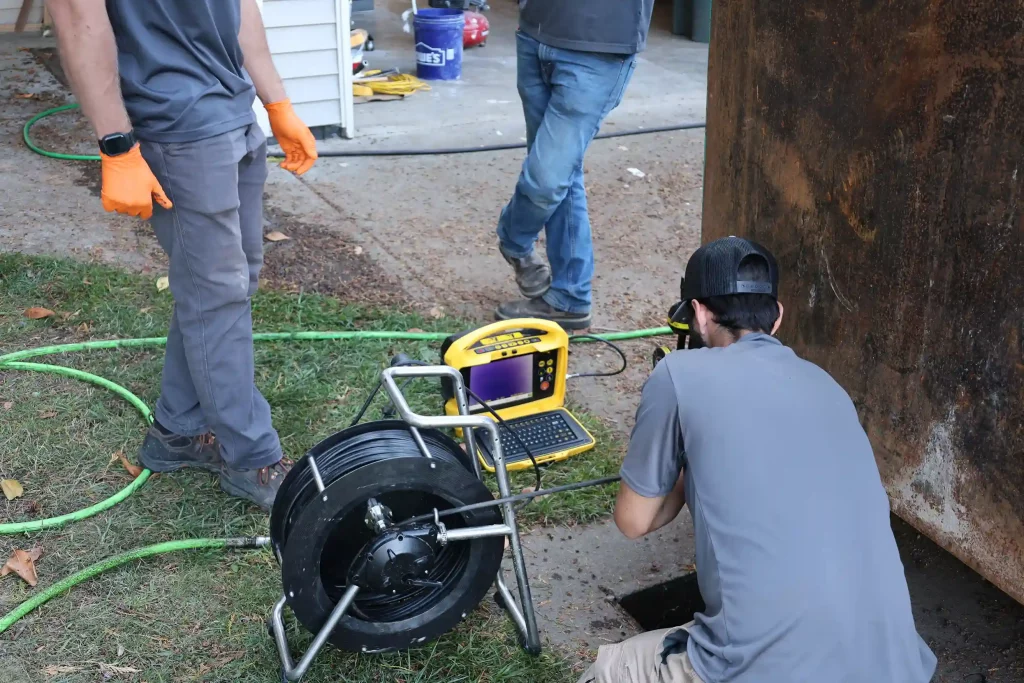
Before any clearing work begins, our team typically runs a waterproof video camera through the drain or sewer line. This inspection reveals the exact location and nature of the blockage, whether it is grease buildup, root intrusion, mineral scale, or a foreign object. Camera inspection also identifies pipe damage, bellies, or structural issues that might need repair. Knowing the cause allows us to select the right tool and avoid damaging the pipes.
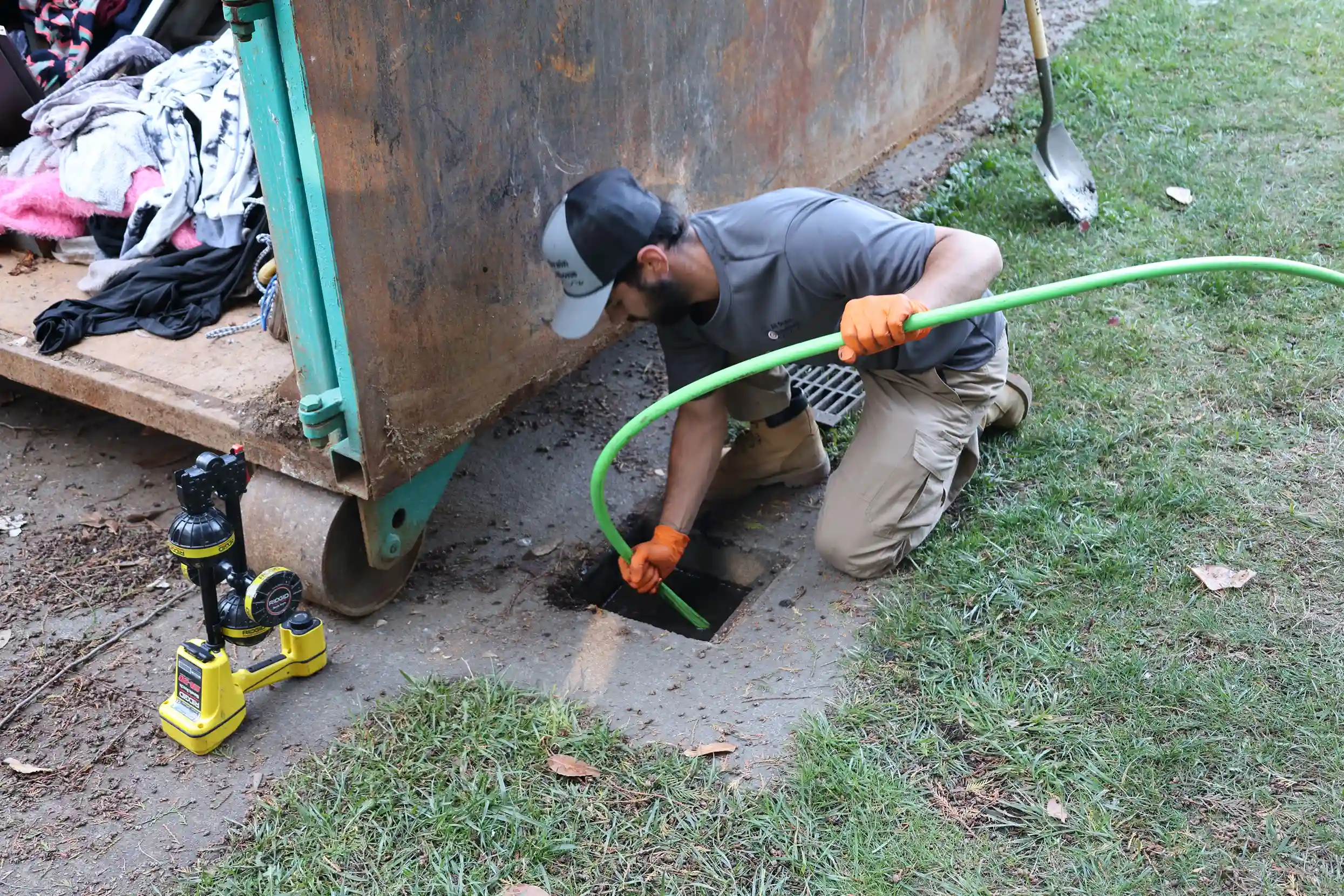
For minor to moderate clogs, a motorized drain snake, or auger, is the most common tool. A flexible steel cable with a cutting or grabbing head is fed into the drain until it reaches the obstruction. The cable rotates, breaking apart the clog or snagging it for removal. Snaking is effective for hair mats in bathroom drains, food blockages in kitchen lines, and small root masses near the pipe entry point. It works well as a first response and is the preferred method when pipes are older or fragile and may not withstand high pressure.
For heavy grease accumulation, severe root intrusion, or scale buildup, hydro jetting is the most thorough solution. A specialized hose with a multi-directional nozzle is inserted into the pipe, and water is blasted at high pressure. The force cuts through grease, pulverizes root masses, and scrubs mineral scale from pipe walls. Hydro jetting does more than open a pathway through the clog. It cleans the full interior diameter of the pipe, restoring flow capacity and leaving pipes cleaner than snaking alone. This method is especially effective for recurring clogs where grease or roots have built up over years.
| Method | Best For | How It Works | Pipe Condition Required |
|---|---|---|---|
| Video Inspection | All clogs, diagnosis | Camera identifies cause and location | Any condition |
| Motorized Snaking | Minor clogs, hair, soft blockages | Rotating cable breaks apart or retrieves | Any condition |
| Hydro Jetting | Heavy grease, roots, scale, recurring clogs | High-pressure water blasts full pipe interior | Structurally sound pipes |
Every home and building presents unique plumbing challenges. Here are common situations our team encounters and how we resolve them.
| Scenario | Property Type | Problem | Solution | Outcome |
|---|---|---|---|---|
| Slow kitchen drain | 1970s single-family home | Years of grease buildup narrowing 2-inch pipe | Hydro jetting with camera inspection | Full pipe diameter restored, no recurrence after 18 months |
| Recurring main line backup | Ranch home with mature oak trees | Tree roots infiltrating clay sewer joint | Motorized root cutting followed by annual maintenance plan | Blockages reduced from quarterly to none |
| Multiple slow bathroom drains | New construction home | Construction debris and drywall compound in drains | Snaking each drain line, camera inspection of main | All drains flowing normally |
| Basement floor drain flooding | 40-year-old two-story home | Mineral scale + grease combination in old cast iron line | Hydro jetting after confirming pipe integrity | Drain cleared, recommended water softener install |
Prevention is always less disruptive and less expensive than emergency drain clearing. Simple daily habits make a significant difference over time.
Store-bought drain cleaners and consumer-grade plungers have limited effectiveness. Chemical cleaners typically work only on soft, shallow clogs and can damage pipes, especially older ones. Consumer plungers may clear a minor toilet clog but cannot reach blockages deeper in the line. Professional equipment operates at a different level of capability. Motorized snakes reach clogs 50 feet or more from the drain opening. Hydro jetting delivers water pressure that scrubs the entire pipe wall. Video inspection provides a visual diagnosis that no liquid or powder chemical can offer.
Our team has the training and equipment to identify the real cause of a clog, not just push it further down the line. This approach means the problem gets solved the first time and stays solved.
All Drain Solutions provides professional drain clearing services for homes and businesses throughout the region. Whether you are dealing with a slow kitchen sink, a recurring sewer backup, or a completely blocked drain, our experienced technicians diagnose the problem accurately and resolve it with the right method. We use video camera inspection, motorized snaking, and hydro jetting to handle clogs of every size and severity.
Request a Free Quote | [Schedule a Drain Inspection]
Call our team at (253) 200-0451 or email us at [email protected] to get started. We respond quickly to emergency calls and offer scheduled maintenance to keep your drains clear year-round.
Most clogs can be prevented by keeping grease out of sinks, using drain strainers, and flushing only toilet paper. However, mineral scale and tree root intrusion are outside a homeowner’s control and require professional intervention.
Slow draining across multiple fixtures, gurgling sounds from toilets, and sewage odors are common signs. A professional video camera inspection is the only way to confirm root intrusion and determine the extent of the problem.
Our technicians inspect the pipe condition with a camera before recommending hydro jetting. If the pipe is structurally compromised, we use gentler methods. Hydro jetting is safe for properly maintained PVC, cast iron, and clay pipes in good condition.
We recommend professional drain cleaning every 12 to 24 months for most homes. Properties with mature trees near sewer lines or homes in hard water areas may benefit from more frequent maintenance.
Chemical drain cleaners can damage pipe materials, especially older pipes, and rarely clear clogs beyond a few feet into the line. They also create safety hazards and do not address the underlying cause of recurring blockages.