
Most homeowners wait until water is standing in their shower or sewage is bubbling up through a floor drain before calling for help. By that point, the damage has already been done, your family has been exposed to harmful pathogens, and the repair bill has grown significantly. Recognizing the early warning signs of a developing drain blockage gives you the opportunity to act before a full backup occurs. The signals your plumbing system sends are consistent and measurable: slow drainage across multiple fixtures, gurgling sounds from pipes, persistent foul odors, and recurring minor clogs that keep returning after chemical drain cleaners. Each of these symptoms points to a specific type of obstruction, whether it is a buildup of fat, oil, and grease, tree root intrusion, or the early formation of what utilities call a fatberg. Understanding these signs and responding promptly with professional drain cleaning is the difference between a routine maintenance visit and a costly emergency restoration.
Most drain blockages develop gradually, not overnight. The most common cause is a combination of fat, oil, and grease (FOG) poured down kitchen sinks mixing with non-biodegradable materials like wet wipes, personal hygiene products, and paper towels. According to Wikipedia’s fatberg entry, these materials form rock-hard masses inside sewer pipes that are as strong as concrete and require specialized equipment to remove. In the United States, nearly half of all sewer blockages are caused by grease, combined with the growing use of wipes that end up in sewer systems.
Another major cause is tree root intrusion. Roots naturally seek out moisture and nutrients, and sewer pipes provide a steady supply. They enter through small cracks in aging pipes, especially those made of clay or concrete. Once inside, roots expand and trap debris passing through the pipe, creating a net that progressively restricts flow until the line is completely blocked.
The problem compounds in older homes. Pipes that are decades old are often smaller in diameter than modern standards, have deteriorated interior surfaces that snag debris more easily, and have developed cracks or joint separations that invite root intrusion. As the Johns Hopkins Bloomberg School of Public Health explains, aging infrastructure creates a pipe system that is already too small for its designed capacity, and any additional blockage material quickly pushes it past the breaking point.
When one sink or shower drains slowly, the clog is likely near that fixture. But when your kitchen sink, bathroom sink, toilet, and shower all drain slowly at the same time, the blockage is in your main sewer line. This is one of the clearest indicators that a major backup is developing and you need professional intervention before wastewater starts rising through your lowest plumbing fixtures.
Air trapped behind a blockage releases as bubbles when water passes through the restricted opening. You will hear gurgling, bubbling, or even knocking sounds from your toilet, sink drains, or tub drain when another fixture is in use. This is not normal plumbing behavior. It means your pipe is partially obstructed and the blockage is growing.
Foul smells coming from your drains that do not go away after running water indicate that waste material is accumulating in your pipes rather than flowing out. The Connecticut Department of Public Health warns that sewage contains bacteria, viruses, and other germs that can cause disease, and the health risks increase the longer sewage remains in contact with building interiors.
If flushing the toilet causes water to rise in your shower drain, or running the washing machine results in water bubbling up from a floor drain, your sewer line is obstructed and wastewater is being forced to find the path of least resistance. This cross-fixture backup is a late-stage warning sign that a complete backup is imminent.
Using chemical drain cleaners may provide temporary relief, but if the same drain clogs again within a few weeks, the original blockage was never fully removed. Chemical cleaners dissolve only a portion of the obstruction, leaving the remaining material to accumulate more debris and reform the blockage.
If one area of your lawn is noticeably greener and more vibrant than the surrounding grass, a leaking sewer pipe beneath that spot may be fertilizing the soil. The same crack that is leaking wastewater into your yard can also be allowing roots to enter the pipe from outside.
Moisture on basement walls or floors near your floor drain, along with musty or sewage-like odors, can indicate a partially blocked or deteriorating sewer line. Standing water in your basement from a sewer backup creates conditions that promote rapid mold growth and bacterial contamination.
A major sewer backup is not just an inconvenience. It is a documented health hazard. The University of Maryland School of Public Health conducted a study of 40 homes with recent sewage backups and found that 34 had at least one type of harmful bacteria present. Seven homes contained bacteria resistant to standard antibiotics. One basement tested had E. coli levels 10 times higher than the federal limit for swimming areas. The researchers found that homes sampled within a month of a backup were the most likely to harbor pathogens.
The Indiana Department of Health publishes an extensive list of diseases transmitted through sewage-contaminated water, including Campylobacteriosis, the most common diarrheal illness in the United States, Cryptosporidiosis, Giardiasis, Hepatitis A, and Salmonellosis. These pathogens can cause severe gastrointestinal illness, and in vulnerable populations such as children, the elderly, and immunocompromised individuals, the consequences can be life-threatening.
Beyond health risks, a major backup causes extensive property damage. Contaminated water destroys flooring, drywall, furniture, and personal belongings. Porous materials that absorb sewage must be discarded, not cleaned. Cleanup requires professional remediation, and the structural drying process can take days or weeks.
| Warning Sign | Severity Level | Blockage Location | Time Before Major Backup | Recommended Action |
|---|---|---|---|---|
| Single slow drain | Low | Fixture-level | Weeks to months | Plunging or snake may resolve |
| Multiple slow drains | High | Main sewer line | Days to weeks | Professional inspection needed |
| Gurgling sounds | Moderate | Growing blockage | Days to weeks | Schedule drain cleaning |
| Sewage odors | Moderate-High | Accumulating waste | Varies | Professional cleaning required |
| Cross-fixture backup | Critical | Main line obstruction | Hours to days | Immediate professional service |
| Recurring clogs | Moderate | Partial blockage | Weeks | Professional removal needed |
| Yard green patches | Moderate | Pipe crack or joint | Months | Camera inspection recommended |
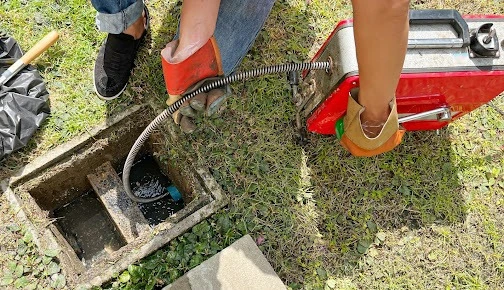
Over-the-counter chemical drain cleaners work by dissolving a small portion of the blockage, which temporarily opens a channel for water flow but leaves the bulk of the obstruction intact. Professional drain cleaning takes a fundamentally different approach. Our technicians use mechanical and hydro-jetting equipment to physically remove the entire blockage from the pipe.
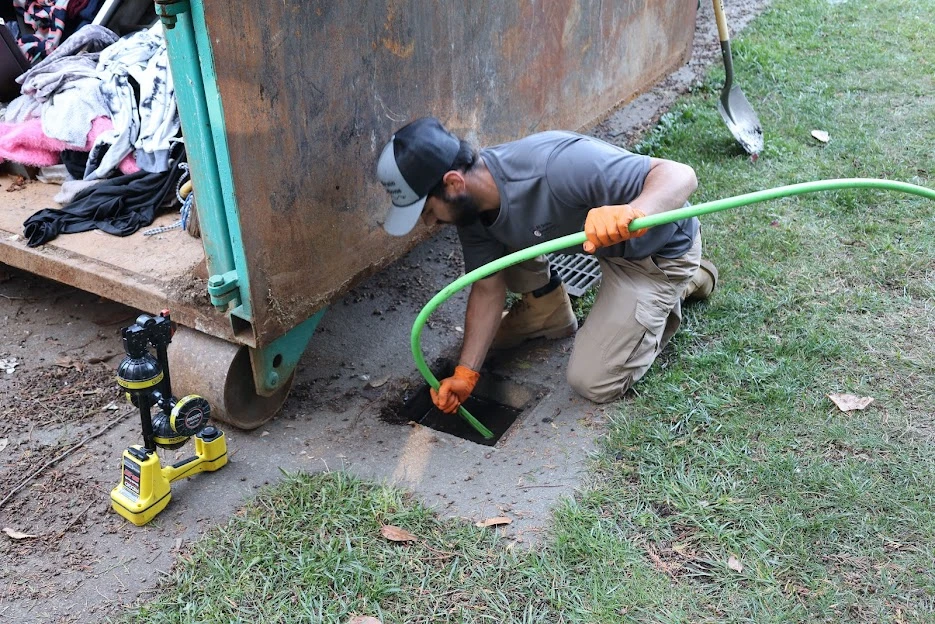
Hydro-jetting uses high-pressure water streams to scour the interior walls of your pipes, removing grease buildup, mineral deposits, root material, and debris. This restores the pipe to its full diameter and flow capacity. For severe blockages involving tree roots or compacted material, motorized snakes and cutting tools break apart the obstruction before it is extracted.
Professional service also includes a camera inspection of your sewer line. This allows our team to see the exact location, size, and composition of any blockages, identify pipe damage or deterioration, and determine whether roots are infiltrating through cracks or joints. Without this diagnostic step, you are treating symptoms rather than the underlying problem.
Choosing a drain cleaning service is not just about finding the lowest quote. A few clear indicators separate a quality provider from the rest. The right team communicates openly about what they find during inspection, explains the cause of the blockage in plain language rather than jargon, and provides clear options rather than pressuring you into unnecessary services. They use camera inspection before and after cleaning so you can see the results firsthand. They also discuss preventive measures specific to your home, such as whether tree root management, grease trap installation, or periodic maintenance scheduling would benefit your situation. A professional crew shows up with properly maintained equipment, protects your property during the work, and leaves the area clean when finished.
| Home Type | Common Blockage Causes | Recommended Approach | Frequency |
|---|---|---|---|
| Older homes (pre-1970 pipes) | Root intrusion, pipe deterioration, grease buildup | Annual camera inspection with hydro-jetting | Every 12 to 18 months |
| Homes with large trees near sewer line | Root penetration through cracks and joints | Root cutting followed by preventive treatment | Every 12 months |
| Newer construction | Flushable wipes, FOG buildup, construction debris | Preventive hydro-jetting | Every 18 to 24 months |
| Homes with garbage disposals | Grease and food waste accumulation | Kitchen line specific cleaning | Every 12 to 18 months |
| Multi-story homes | Gravity-fed blockages in lower levels | Full sewer line camera inspection | Every 12 months |
Do not wait for water to start rising through your floor drains. At All Drain Solutions, our team provides professional drain cleaning, camera inspections, and preventive maintenance designed to catch blockages before they become emergencies. We assess your specific situation, explain exactly what is causing the problem, and resolve it completely the first time. Call us at (253) 200-0451, email [email protected], or reach out today for a Request a Free Quote and let our technicians evaluate your drains before a minor issue becomes a major backup. Schedule a Drain Inspection and take the first step toward protecting your home and your family from the damage and health risks of a sewer backup.
If only one fixture is draining slowly, the clog is likely localized near that drain. If multiple fixtures are slow simultaneously, especially on different floors, the blockage is in your main sewer line and requires professional attention.
Chemical cleaners can clear small, recent clogs but cannot remove grease accumulations, tree roots, or compacted material. They dissolve only a channel through the blockage, which refills with debris and clogs again within weeks.
Stop using all plumbing fixtures immediately, keep children and pets away from the affected area, avoid direct contact with contaminated water, and call a professional drain service right away. Sewage contains harmful bacteria and pathogens that pose serious health risks.
Homes with older pipes, large trees near the sewer line, or frequent drainage issues should schedule professional cleaning every 12 months. Newer homes without these risk factors can typically go 18 to 24 months between professional cleanings.
Camera inspection identifies the exact location, size, and cause of the blockage, which determines the right cleaning method. Without it, you risk incomplete removal or missing underlying pipe damage that will cause future blockages.