
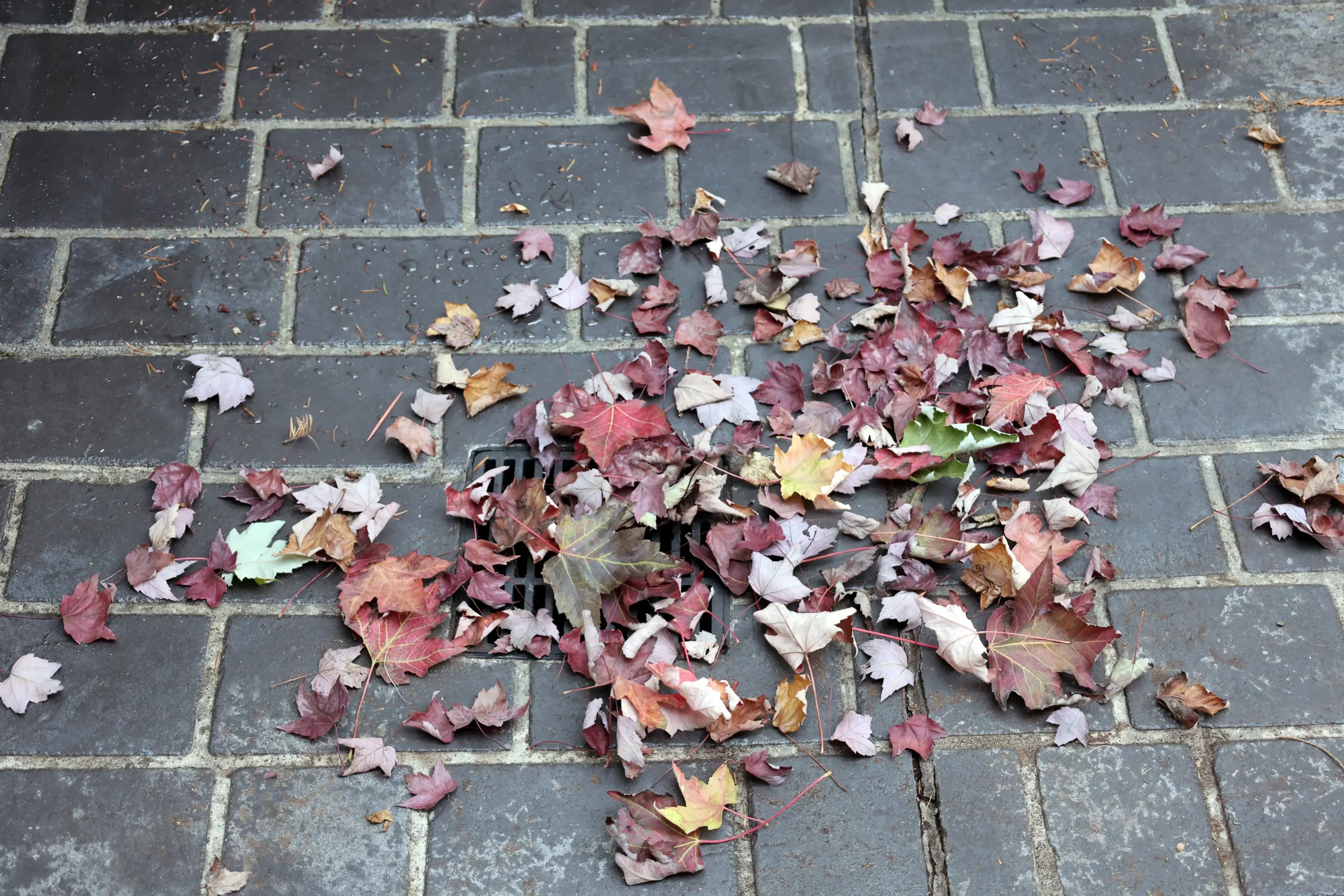
Preventive drain cleaning is one of the most effective ways to avoid expensive plumbing emergencies, sewer backups, and water damage in your home. Most drain problems develop gradually from everyday habits like pouring cooking grease down sinks, flushing inappropriate items, or neglecting routine maintenance. The right strategy depends on your household size, pipe material, age of your plumbing system, and whether you’re dealing with minor buildup or recurring blockages. This guide covers proven preventive methods, compares drain cleaning approaches, and explains when professional intervention is the smartest move.
Most homeowners do not think about their drains until something stops flowing. By then, the underlying buildup has been forming for weeks or months, and the resulting emergency carries a much higher price tag than routine maintenance would have. According to the EPA‘s FOG management program, preventing grease-related blockages is a primary goal of municipal sewer operations because these clogs lead to sanitary sewer overflows that affect entire communities, not just individual homes.
Beyond the financial cost, clogged drains can cause raw sewage to back up into your home, creating serious health hazards and property damage. The Sussex County, Delaware environmental services department notes that FOG buildup in pipes reduces wastewater system capacity, leads to backups into homes and businesses, and ultimately contaminates local waterways when overflows occur. Preventive maintenance protects both your property and the broader public infrastructure.
Fats, oils, and grease come from everyday cooking ingredients like butter, cooking oil, bacon grease, salad dressings, mayonnaise, and dairy products. When these substances are poured down the drain, they cool and solidify on the interior walls of pipes, gradually narrowing the passage for wastewater. Clemson University‘s Cooperative Extension reports that grease from restaurants, homes, and industrial sources represents the most common cause of reported sewer blockages at 47%.
A common misconception is that running hot water or dish soap dissolves grease enough to prevent problems. While these substances may emulsify grease temporarily, the fats recombine and solidify further downstream in cooler pipe sections. The result is a persistent coating that accumulates layer by layer, eventually restricting flow entirely.
Beyond FOG, several other materials frequently cause drain blockages:
Small changes to your daily routine make a measurable difference in drain health over time:
A simple monthly routine prevents the gradual accumulation that leads to clogs:
Schedule a professional inspection and cleaning at least once per year. Our technicians use camera inspections to identify early warning signs of buildup, corrosion, root intrusion, or pipe damage that is not visible from above. Catching these problems early allows for targeted, less invasive repairs rather than emergency service calls.
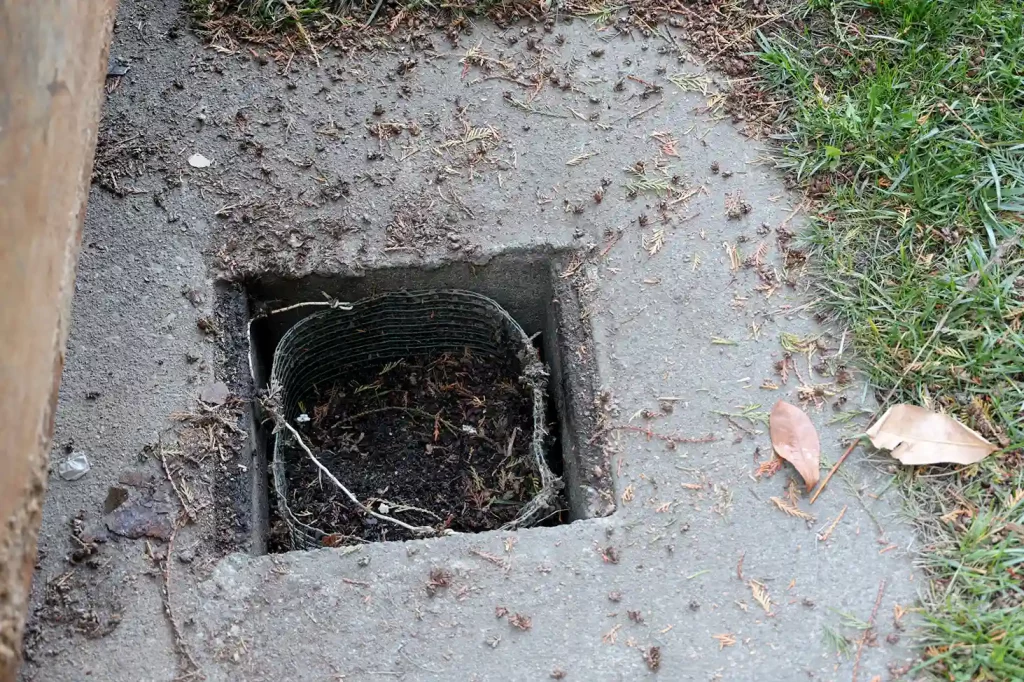
Different drain cleaning methods are suited to different types and severity of clogs. The table below compares the most common approaches:
| Method | Best For | How It Works | Pros | Cons |
|---|---|---|---|---|
| Plunger | Minor surface clogs in sinks, tubs, and toilets | Uses water pressure to dislodge obstructions near the drain opening | Inexpensive, no chemicals, fast | Limited reach, ineffective on deep or solid blockages |
| Handheld drain auger | Hair and soap clogs within 25 feet of the drain | Flexible cable rotates into the pipe to grab or push through blockages | Low cost, reaches further than plunger, widely available | Limited to small-diameter pipes, can scratch fixtures |
| Chemical drain cleaner | Soft organic clogs in sinks | Caustic or acidic chemicals dissolve hair, grease, and food | Fast-acting, readily available | Can damage pipes (especially older ones), harmful to environment |
| Enzyme drain cleaner | Prevention and mild organic buildup | Natural enzymes break down organic matter over time | Safe for pipes, eco-friendly, good for maintenance | Slow-acting, not effective on severe blockages |
| Hydro-jetting | Severe buildup, recurring clogs, main line cleaning | High-pressure water (up to 5,000 psi) blasts obstructions and cleans pipe walls | Thorough cleaning, removes residue from pipe walls, no chemicals | Requires professional equipment, higher cost |
| Electric drain cleaner | Deep clogs in main drains, tree root removal | Motor-driven cable cuts through solid obstructions and roots | Long reach (up to 80 meters), removes solid objects | Heavy equipment, requires training, higher cost |
Some situations call for professional expertise rather than DIY approaches. Contact our team if you notice any of the following:
Choosing the right professional for drain cleaning matters as much as the preventive habits themselves. Look for these indicators:
All Drain Solutions provides expert drain cleaning and preventive maintenance for homeowners who want to protect their plumbing before problems become emergencies. Our team uses advanced diagnostic equipment, including video camera inspections and high-pressure hydro-jetting, to identify and eliminate the root cause of recurring drain issues rather than just treating the symptoms.
Request a Free Quote | Schedule a Drain Inspection
Call us at (206) 899-7764 or email office@all-drain.com to get started. Our technicians arrive on time, explain everything in plain language, and leave your drains flowing like new.
Most homeowners benefit from professional drain cleaning once per year. Older homes, households with large families, or properties with mature trees near sewer lines may need service twice annually.
Chemical drain cleaners can work for minor clogs, but repeated use damages pipes, especially older metal or PVC lines. We recommend enzyme-based or mechanical alternatives for ongoing maintenance.
Start by removing the drain cover and clearing any visible debris. Try a baking soda and vinegar treatment followed by hot water. If the drain remains slow after 24 hours, contact a professional to inspect for grease buildup or deeper blockages.
Hot water alone does not prevent grease clogs. While it temporarily keeps grease liquefied, the fat solidifies again once the water cools further down the pipe. Always scrape grease into the trash instead.
Hydro-jetting is safe for most standard drain pipes when performed by a trained technician who adjusts pressure appropriately. Very old, damaged, or fragile pipes may require gentler methods, which is why a camera inspection should always come first.