
Sewer camera inspections have become an essential diagnostic step in professional drain cleaning, replacing guesswork with real-time visual evidence. By feeding a waterproof, high-resolution camera through a drain or sewer line via a flexible cable, our technicians can see exactly what is causing a blockage, where the problem is located, and how severe the damage is. This non-destructive approach means we can pinpoint issues like root intrusions, pipe collapses, grease buildup, and cracked joints without digging up your property first. According to the U.S. Environmental Protection Agency, closed-circuit television (CCTV) has long been the industry standard for assessing sewer system conditions and remains the most widely used condition assessment technology available.
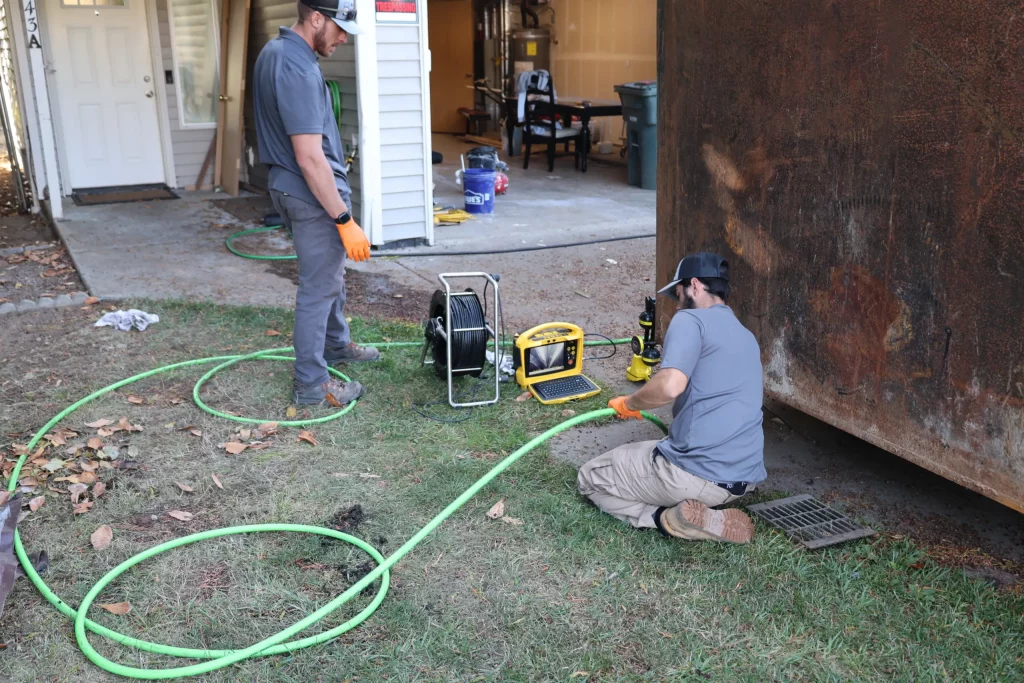
A camera inspection begins at an access point on the property, such as a drain cleanout or cleanout access. Our technicians feed a waterproof camera, mounted on the end of a flexible cable, into the pipe. As the camera travels through the line, it transmits high-resolution, real-time footage to a monitor above ground. This live feed allows the operator to examine the full interior of the pipe, identifying blockages, cracks, joint separations, corrosion, and other defects as they appear.
The camera head typically features LED lighting to illuminate the pipe interior and can pan, tilt, and rotate to navigate bends and junctions. Some systems also include a radio transmitter that records the underground depth and precise physical location of defects, which helps our team plan targeted repairs with accuracy. According to Wikipedia’s entry on pipeline video inspection, this approach is classified as a form of telepresence used to visually inspect the interiors of pipelines, plumbing systems, and storm drains.
Camera inspections reveal the specific nature of a drain problem, which directly determines the right cleaning approach. Here are the issues our technicians encounter most frequently:
Root Intrusions: Tree and vegetation roots enter pipes through joints or cracks in older materials like vitrified clay or corroded cast iron. Over time, root balls form that impede flow and can cause repeated blockages even after cleaning.
Grease and Debris Buildup: Fats, oils, and grease accumulate on pipe walls, gradually narrowing the passage. Combined with soap residue, food particles, and other household waste, this buildup can completely seal off a drain line.
Pipe Cracks and Fractures: Hairline cracks from ground shifting, freezing, or aging materials allow water to escape and roots to enter. Left unchecked, these cracks widen into structural failures.
Collapsed or Offset Pipes: When pipe sections separate or collapse entirely, the line loses its slope and flow is disrupted. Camera footage shows the exact location and severity of the collapse, which determines whether trenchless repair or full replacement is needed.
Corrosion and Deterioration: Older metal pipes degrade from the inside out. Camera inspections reveal the extent of internal corrosion, helping property owners make informed decisions about pipe lining versus replacement.
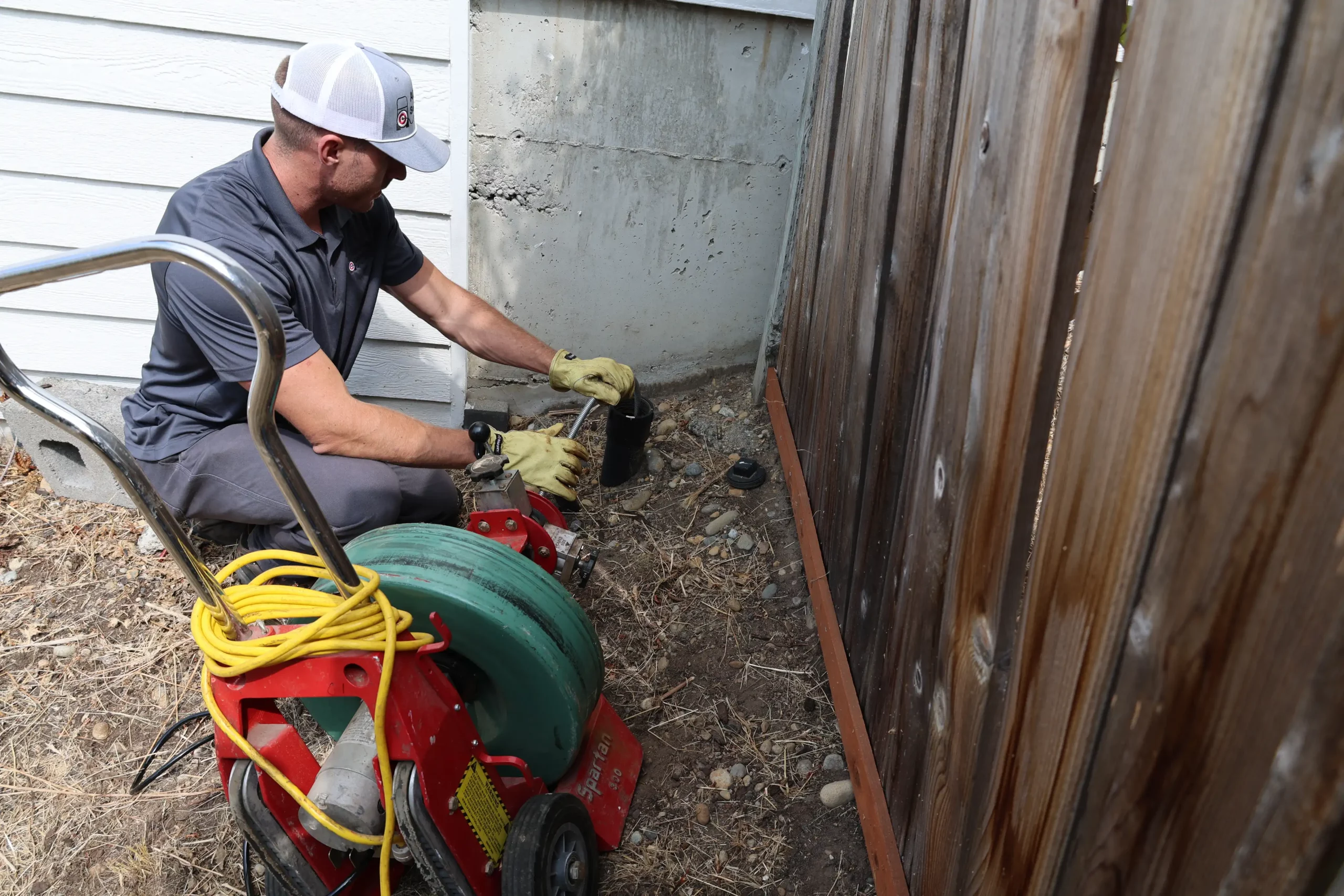
Without a camera inspection, drain cleaning services become a process of trial and error. A technician might run a snake or hydro-jet blindly, hoping to clear whatever is causing the backup. If the blockage is caused by a collapsed pipe section or a large root mass, standard snaking may only provide temporary relief. The problem returns, and each repeat visit adds to the total cost without resolving the underlying cause.
A camera inspection changes this dynamic entirely. Our technicians see the problem before selecting a tool, which means we choose the right method the first time. If the camera reveals heavy grease buildup, hydro-jetting is the appropriate solution. If it shows root intrusion through a cracked joint, we can cut the roots and recommend a follow-up plan to prevent regrowth. This precision reduces repeat visits and gets your drains flowing properly faster.
The value of camera inspections extends well beyond emergency diagnostics. When used as part of a preventive maintenance program, regular camera surveys help identify minor defects before they become major failures. The EPA’s Smart Sewer Technologies guide describes condition assessment technologies as tools that help operators identify defects and failures, with CCTV remaining the most widely adopted method for this purpose.
Recording inspection footage creates a documented history of your pipe conditions. By comparing footage from successive inspections, our team can monitor how quickly deterioration is progressing and recommend maintenance or repairs at the optimal time. For commercial properties, municipal systems, and older residential neighborhoods, this proactive approach prevents unexpected backups, reduces emergency repair costs, and extends the usable life of existing sewer infrastructure.
The EPA’s 2014 research on wastewater collection systems condition assessment found that CCTV remains the standard by which newer technologies like laser scanning, sonar, and electro-scanning are measured. The data from these inspections feeds into computerized maintenance management systems that help utilities and property owners prioritize repairs and allocate budgets effectively.
Camera inspections become most effective when paired with the right cleaning technique. Based on what the camera reveals, our team selects from several approaches:
| Inspection Finding | Recommended Action | Why This Approach |
|---|---|---|
| Grease and sludge buildup | Hydro-jetting | High-pressure water scours buildup from pipe walls, restoring full diameter |
| Root intrusion through joints | Root cutting followed by inspection | Mechanical cutting clears the blockage; a second camera pass confirms complete removal |
| Solid obstructions (debris, objects) | Drain snaking | A flexible auger breaks up or retrieves the obstruction |
| Cracked or offset joints | Trenchless pipe lining or point repair | Camera footage pinpoints exact location for targeted, minimal-disruption repair |
| Collapsed pipe section | Excavation and replacement | Severe structural failure requires full pipe replacement at the identified location |
After any cleaning or repair, our technicians often run a follow-up camera inspection to verify the work was successful and the pipe is clear. This quality check ensures the problem is fully resolved before we leave the property.
Homeowners with Older Pipes: Properties built before 1980 commonly have clay or cast iron sewer lines. These materials are especially susceptible to root intrusion and joint failure. If your home has mature trees near the sewer line, an annual camera inspection can catch root entry points before they cause complete blockages.
Commercial Properties and Restaurants: High-volume kitchens produce significant grease waste that coats drain lines over time. Regular camera inspections combined with scheduled hydro-jetting keep lines flowing and prevent the health code violations that result from drain backups.
Property Managers and HOAs: For communities with shared sewer laterals, a camera inspection program helps distribute maintenance costs fairly by documenting which sections of pipe are failing and need attention. This documented evidence also supports budgeting for capital improvements.
Municipal and Industrial Systems: The EPA reports that the U.S. has approximately 16,000 sewer systems serving 190 million people, with some infrastructure components over 100 years old. Large-scale CCTV inspection programs allow municipalities to prioritize pipe replacement in the areas of greatest need rather than spreading resources thinly across entire systems.
Choosing a drain service that uses camera inspections properly is just as important as deciding to get one. Here are the signs of a provider worth trusting:
All Drain Solutions uses professional-grade camera inspection technology to diagnose drain and sewer problems with precision. Our experienced technicians provide clear visual evidence of pipe conditions, pair inspections with the right cleaning or repair method, and deliver honest recommendations you can count on. Reach us at office@all-drain.com or call (206) 899-7764 to request your free quote or schedule a camera inspection.
Request a Free Quote | Schedule a Camera Inspection
Yes. Most professional sewer cameras include a radio transmitter that records the underground depth and precise horizontal location of defects, allowing our technicians to pinpoint where repairs are needed without unnecessary excavation.
Most residential camera inspections are completed within 30 to 60 minutes, depending on the length and complexity of the pipe being inspected and whether any blockages need to be cleared first.
We recommend it. A cleared drain does not mean the underlying cause is resolved. A camera inspection reveals whether root intrusion, a cracked joint, or a partial collapse will cause the problem to return.
In most cases, yes. Our technicians can often navigate the camera past partial blockages. For complete obstructions, we clear enough material first to allow the camera to pass and identify the cause.
For most residential properties, an inspection every 1 to 2 years is sufficient. Older homes with clay or cast iron pipes, properties with large trees near sewer lines, or commercial kitchens may benefit from annual inspections.